MIG (Metal Inert Gas) welding is one of the most commonly used processes in the welding industry. Its versatility and ability to work with a wide range of metals make it a go-to solution for various applications, from automotive manufacturing to heavy steel construction. However, to achieve consistent, high-quality welds while optimizing productivity, selecting the right MIG welding consumables is essential.
In this article, we will walk through the key considerations when choosing MIG welding consumables and provide tips to help you enhance your welding efficiency and reduce downtime. Whether you're working in a high-volume production environment or on custom projects, understanding how to choose the best consumables is crucial for improving your overall welding process.
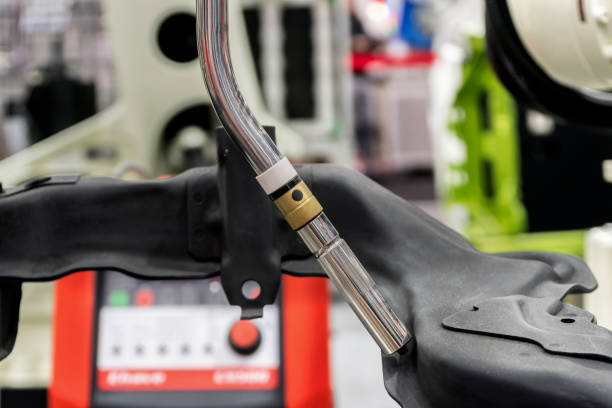
I. Understanding MIG Welding Consumables
Before diving into the specifics of choosing MIG welding consumables, it’s important to understand what these components are and how they affect your welding process. The main MIG welding consumables include:
Filler Metals (Welding Wire): These are the materials fed into the weld pool to form the welded joint. The type of filler metal you choose is largely determined by the base material you are welding.
Shielding Gases: Gases are used to protect the weld pool from atmospheric contamination, ensuring a strong, high-quality weld. The gas type influences the quality of the weld and the overall performance of the welding process.
Electrodes: In MIG welding, the electrode is the wire that is continuously fed into the weld pool. It must be selected according to the type of material being welded and the required welding properties.
Now that we understand the key consumables, let’s discuss how to choose each of them to optimize productivity.
II. Choosing the Right Filler Metal (Welding Wire)
Selecting the correct filler metal is essential for ensuring the strength, durability, and overall quality of your welds. The filler metal must be compatible with the base material to ensure strong adhesion and resistance to stress, corrosion, or heat.
1) Material Type
The material you're welding will determine the type of filler metal you need. For example:
Steel: If you’re welding carbon steel, low-alloy steel, or high-alloy steel, choose a filler metal that matches the material’s composition. For carbon steel, ER70S-6 is a popular choice.
Stainless Steel: For welding stainless steel, you’ll need a filler metal that provides the necessary corrosion resistance, such as ER308L or ER316L.
Aluminum: Welding aluminum requires filler metals like ER4043 or ER5356, which have specific properties suited for aluminum alloys.
2) Wire Diameter
The diameter of the filler metal wire you use will also affect the welding process. A thicker wire allows for higher deposition rates, which is useful for filling larger gaps. A thinner wire is better for thinner materials or for welding in tight spaces. The wire size should be chosen based on the thickness of the base material and the welding position.
3) Welding Position and Joint Design
The joint configuration also plays a role in filler metal selection. For example, vertical or overhead welding may require smaller diameter wires for better control. Additionally, specific joint designs, such as butt or fillet joints, may require different filler metals for optimal results.
III. Selecting the Right Shielding Gas for MIG Welding
Shielding gas is essential for protecting the weld pool from contamination by atmospheric elements like oxygen, nitrogen, and moisture. The right shielding gas helps to prevent defects such as porosity, oxidation, and undercutting.
1) Types of Shielding Gases
Different types of shielding gases are used in MIG welding, each offering distinct advantages:
Argon: Pure argon is often used for welding non-ferrous metals like aluminum, as it provides excellent arc stability and weld quality.
Carbon Dioxide (CO2): CO2 is commonly used for welding carbon steel due to its low cost and ability to increase weld penetration. However, it can lead to more spatter.
Argon/CO2 Mixtures: A blend of argon and CO2 is commonly used for steel welding. The mixture balances cost and performance, providing good arc stability and lower spatter compared to pure CO2.
Oxygen-Added Mixtures: Adding a small amount of oxygen to the argon mixture can help increase arc stability and improve the welding process when working with steel.
2) Choosing the Right Gas for Your Material
Steel: An argon-CO2 mixture is commonly used for steel welding. The exact ratio (typically 75% argon and 25% CO2) depends on the desired weld penetration and spatter control.
Stainless Steel: For stainless steel, a mixture of argon, CO2, and sometimes oxygen is used to enhance weld quality.
Aluminum: Pure argon is the preferred shielding gas for aluminum welding, ensuring a clean, high-quality weld.
IV. Selecting the Right Electrodes
In MIG welding, the electrode is the welding wire that continuously feeds into the weld pool. The right electrode can improve feedability, reduce spatter, and ensure consistent weld quality.
1) Wire Composition
Electrodes are typically made from the same material as the base metal. For example, for welding steel, use an electrode made from mild steel. For aluminum welding, use a specialized aluminum wire to ensure compatibility.
2) Electrode Size
Electrode size impacts the current and voltage required for optimal welding. The wire diameter should match the power source and the welding technique to achieve the desired deposition rate and arc stability.
3) Feedability
The smoothness of the wire feed and its ability to continuously feed into the weld pool is crucial. High-quality MIG welding wire will have a smooth surface to minimize feedability issues and reduce downtime spent fixing wire feed problems.
V. Practical Tips for Optimizing Welding Productivity
When working with MIG welding, optimizing consumables goes beyond just choosing the right filler metals, gases, and electrodes. Here are some practical tips to help maximize productivity and minimize downtime:
Regular Consumable Checks: Inspect welding consumables regularly for wear and tear. Worn-out nozzles, contact tips, or spools can lead to poor weld quality and inefficient operation.
Weld Settings Optimization: Ensure your welding machine is set to the correct parameters for the selected consumables, including voltage, wire feed speed, and shielding gas flow rate. Adjusting these settings helps improve arc stability and reduce defects.
Minimize Downtime: Keep a stock of commonly used consumables to reduce downtime when you run out of materials. Automated feeders or wire changers can also help save time by reducing manual handling.
VI. FAQs of MIG Welding Consumables
Q1: How often should I change my contact tip?
You should replace the tip if the arc becomes unstable, if you see visible "keyholing" (elongation of the hole), or if spatter has fused to the front. High-quality tips in a stable process can last for full shifts, while low-quality ones may fail in hours.
Q2: Can I weld through rust with MIG?
While possible with ER70S-6 wire due to its high deoxidizer content, it is always better to clean the metal first. Welding through thick rust often leads to porosity and inclusion defects regardless of the wire.
Q3: Why does my wire keep "bird-nesting" at the drive rolls?
This is typically caused by a blockage further down the line—usually a kinked liner, a clogged contact tip, or a liner that was trimmed too short, leaving a gap where the wire can buckle.
Q4: Is there a difference between "standard" and "heavy-duty" consumables?
Yes. Heavy-duty consumables have more mass and are designed to dissipate heat more effectively in high-amperage, high-duty-cycle applications.
VII. Conclusion
Choosing the right MIG welding consumables is critical to optimizing productivity, ensuring weld quality, and minimizing downtime in any welding operation. By understanding the factors involved in selecting filler metals, shielding gases, and electrodes, you can make informed decisions that will improve the efficiency of your welding process.
If you're looking for reliable, high-performance welding solutions, Megmeet offers advanced welding technologies designed for heavy industry applications. Their expertise in welding automation can help you achieve consistent, high-quality welds while reducing operational costs. To learn more about Megmeet welding solutions, visit https://www.megmeet-welding.com/en/solutions/automotive
Related articles:
1. How Much Power is Consumed by a 3 Phase Welding Machine?
2. How to Identify and Solve Tungsten Electrode and Arc Issues
3. How To Shape Tungsten Electrode For TIG Welding?
4. Tungsten Electrodes Basics: Types, Pros & Cons, Selection, Maintenance
5. Stick Welding Electrode Selection & Techniques Guide