Welding Stainless Steel Tube and Pipe: A Comprehensive Guide
Welding stainless steel tube and pipe is a specialized skill that demands a higher level of precision than working with standard carbon steel. Whether you are fabricating high-purity tubing for the pharmaceutical industry, exhaust systems for automotive performance, or high-pressure piping for chemical plants, the goal remains the same: maintaining corrosion resistance while ensuring structural integrity.
Stainless steel is favored for its "passive" chromium-oxide layer, which protects the metal from oxidation. However, the intense heat of welding can easily compromise this layer, leading to "sensitization" or "sugaring." This guide explores the technical nuances, essential tools, and best practices for welding stainless steel tube and pipe to achieve x-ray quality results every time.
I. Understanding the Challenges of Stainless Steel
Before striking an arc, it is vital to understand why stainless steel behaves differently than other metals. Its unique physical properties dictate the welding parameters.
1. Thermal Conductivity and Expansion:
Stainless steel has lower thermal conductivity than carbon steel, meaning it retains heat in the weld zone much longer. Simultaneously, it has a higher coefficient of thermal expansion, which makes it prone to significant warping and distortion.
2. The Risk of Sensitization:
If the stainless steel remains in the temperature range of 425°C to 870°C (800°F to 1600°F) for too long, chromium carbides form at the grain boundaries. This depletes the surrounding area of chromium, leaving the "Heat Affected Zone" (HAZ) vulnerable to intergranular corrosion.
II. Choosing the Right Welding Process
While several methods can be used, the choice of process depends on the wall thickness of the tube or pipe and the required cleanliness of the internal diameter (ID).
1) Gas Tungsten Arc Welding (GTAW/TIG):
TIG welding is the gold standard for welding stainless steel tube and pipe, especially for thin-walled tubing.
Precision: Offers the highest level of control over the heat input and the weld pool.
Cleanliness: Produces no spatter and a very clean internal bead, which is critical for sanitary applications.
2) Gas Metal Arc Welding (GMAW/MIG):
MIG welding is often used for larger diameter pipes where productivity and speed are the primary concerns.
Pulse Spray Transfer: Using advanced pulsed-MIG settings helps manage heat input and reduces spatter, making it more viable for stainless applications than traditional short-circuit transfer.
3) Flux-Cored Arc Welding (FCAW):
FCAW is frequently used in heavy industrial piping and outdoor construction where wind might interfere with shielding gases. It offers high deposition rates but requires more post-weld cleaning to remove slag.
III. Essential Preparation and Fit-Up:
In the world of stainless steel tubing, preparation is 90% of the job. Contamination is the enemy of a high-quality weld.
1. Strict Contamination Control:
Never use tools—such as wire brushes, grinding wheels, or files—that have previously been used on carbon steel. Carbon steel particles embedded in the stainless surface will cause "tea staining" or localized rusting.
Best Practice: Use dedicated stainless steel wire brushes and keep them stored separately in labeled containers.
2. Perfect Joint Fit-Up
For thin-walled tubing, a "square butt" joint with zero gap is often preferred. For thicker-walled pipe, a V-groove bevel is standard.
Tacking: Use small, high-penetration tacks. For a 2-inch tube, four small tacks at the 12, 3, 6, and 9 o'clock positions are usually sufficient to prevent the joint from pulling apart due to thermal expansion.
IV. The Critical Role of Back Purging
When you weld the outside of a pipe, the heat reacts with the oxygen inside the pipe. Without protection, the internal side of the weld will oxidize, creating a black, crusty mess known as "sugaring."
How to Execute a Proper Back Purge?
To maintain the corrosion resistance of the internal bead, you must replace the air inside the pipe with an inert gas—typically 100% Argon.
Damming: Use water-soluble paper, foam plugs, or inflatable bladders to create a "chamber" around the weld zone to minimize the volume of gas needed.
Flow Rates: Start with a high flow rate to "pre-purge" the oxygen, then drop the flow to a "whisper" during welding to avoid internal pressure blowing out the root pass.
Oxygen Monitoring: Use a digital oxygen analyzer to ensure the oxygen levels are below 50 parts per million (ppm) before beginning the weld.
V. Techniques for Heat Management
Controlling the "Heat Input" is the most effective way to prevent distortion and maintain the metallurgical properties of the stainless steel.
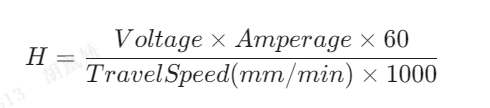
1) Calculate Your Heat Input
Heat input is measured in Kilojoules per millimeter (kJ/mm). Use the following formula to monitor your parameters:
2) Use the "Back-Step" Method
Instead of welding one continuous bead around the circumference, use the back-step technique. This involves welding short sections in the opposite direction of the overall weld progression. This distributes the heat more evenly and significantly reduces warping.
3) Interpass Temperature Control
Always allow the pipe to cool between passes. For austenitic stainless steels (like 304 and 316), the interpass temperature should typically remain below 150°C (300°F). Using "Tempilstiks" or infrared thermometers is a professional way to verify this.
VI. Filler Metal Selection
Matching the filler metal to the base material is critical, but sometimes "over-alloying" is necessary to compensate for the loss of elements during the welding process.
304 to 304: Use ER308L. The "L" stands for low carbon, which helps prevent carbide precipitation.
316 to 316: Use ER316L. This includes molybdenum for enhanced resistance to pitting corrosion in chloride environments.
Dissimilar Metals (Stainless to Carbon): Use ER309L. Its high chromium and nickel content prevents the weld from becoming brittle as it dilutes with the carbon steel.
VII. Post-Weld Cleaning and Passivation
Even a perfect weld needs post-processing to ensure long-term performance.
1) Mechanical Cleaning
Remove any heat tint (the "rainbow" colors) using a stainless wire brush or specialized non-woven abrasive pads. While the colors look attractive, they represent a layer where the chromium has been depleted.
2) Chemical Passivation
For the highest level of corrosion resistance, the weld area should be treated with a citric or nitric acid-based pickling paste. This removes any surface contaminants and "re-starts" the formation of the protective chromium-oxide layer.
VIII. Summary Checklist for Success
To dominate the search rankings for welding stainless steel tube and pipe, follow this technical summary:
Requirement
Best Practice
Cleaning
Use dedicated SS brushes; wipe with Acetone.
Shielding Gas
100% Argon (Torch and Back Purge).
Purge Level
Oxygen < 50 ppm.
Heat Input
Keep it low; use travel speeds to prevent "cooking" the metal.
Tungsten
2% Lanthanated or Ceriated for stability.
Fit-Up
Minimal to zero gap for thin tubing; consistent bevel for pipe.
Welding stainless steel tube and pipe is a discipline where patience and preparation pay off. By strictly controlling your atmosphere through back purging, managing your heat input to prevent sensitization, and maintaining a surgically clean work environment, you can produce welds that are as durable as they are beautiful.
As the industry moves toward more automated orbital welding for high-purity systems, the fundamental knowledge of manual stainless welding remains the foundation of a skilled technician's career. Focus on the details, respect the metallurgy, and the results will speak for themselves on every X-ray and pressure test.