Welding safety is about controlling the biggest risks before they cause injury: electric shock, fire, fumes, radiation, burns, and poor housekeeping. The safest welding setup combines good ventilation, correct PPE, reliable equipment checks, and a disciplined work area.
I. Why Welding Safety Matters?
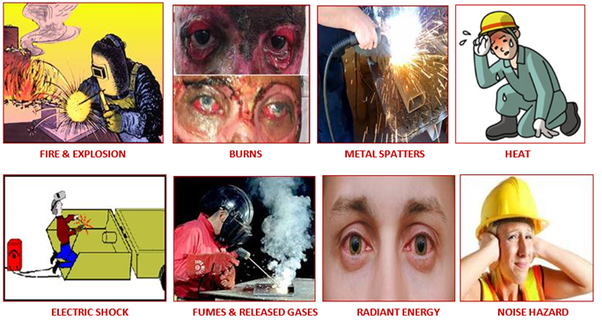
Welding can expose workers to intense heat, ultraviolet and infrared radiation, metal fumes, live electrical circuits, sparks, and flammable materials. Official guidance emphasizes that the principal hazards in arc welding are electric shock and arc radiation, while fire, fumes, and thermal injury are also major concerns.
A strong safety routine protects not only the welder but also nearby workers, equipment, and the workpiece itself. In practice, that means treating safety as part of the welding process, not as an extra step added afterward.
II. Core Welding Hazard Categories
| Hazard | What can happen | Main controls |
| Electric shock | Severe injury or fatality from live parts, wet conditions, or damaged cables. | Inspect equipment, keep surfaces dry, use proper grounding, and isolate the electrode holder when required. |
| Fire and explosion | Sparks, slag, and hot metal can ignite combustibles or vapors. | Remove flammables, use fire-resistant barriers, and maintain fire watch. |
| Fumes and gases | Irritation, metal fume fever, asphyxiation, or toxic exposure. | Use local exhaust ventilation, fresh air, and respiratory protection when needed. |
| Radiation and burns | Arc eye, skin burns, and long-term eye damage. | Wear the right helmet, filter lens, gloves, clothing, and screens. |
| Noise and strain | Hearing loss, fatigue, and musculoskeletal injury. | Use hearing protection, rotate tasks, and improve posture and setup. |
III. Personal Protective Equipment
PPE is the last line of defense, not the first. Guidance recommends using protective clothing, insulated gloves, safety shoes or boots, proper eye and face protection, respiratory protection when required, and hearing protection where noise is high.
A welding helmet with the correct shade is essential because arc light can damage eyes and skin quickly. Clothing should cover exposed skin, resist flame, and fit properly so sparks do not get trapped inside cuffs or openings.
PPE checklist
Welding helmet with the correct lens shade.
Flame-resistant jacket, sleeves, or coveralls.
Heat-resistant gloves and leather boots.
Safety glasses under the helmet when appropriate.
Respirator or fume protection if ventilation is not enough.
Ear protection during grinding, chipping, and other noisy tasks.
IV. Ventilation And Fume Control
Welding fumes can contain metal oxides and other harmful particles, and gases such as ozone, nitrogen oxides, carbon monoxide, and shielding gases can create additional risk. The best control is to remove contaminants at the source with local exhaust ventilation, then support that with adequate fresh air.
General dilution ventilation can help in some situations, but source capture is usually more effective for welding fumes. In confined or poorly ventilated areas, ventilation planning becomes critical because oxygen depletion and gas buildup can become serious hazards very quickly.
Good ventilation habits
Position the extraction hood close to the weld zone.
Keep airflow moving away from your breathing zone.
Do not rely on fans alone in enclosed areas.
Use respiratory protection only when engineering controls are not enough.
Check that ventilation equipment is maintained and working properly.
V. Fire Prevention Steps
Welding sparks can travel farther than many people expect, and hot slag can smolder before igniting combustible materials. Official guidance stresses removing grease, oil, paint, wood, cardboard, fabric, fuel, and other flammables from the welding area whenever possible.
If the work cannot be fully cleared, use non-combustible covers, screens, and a fire watch during welding and after the job is complete. Fire extinguishers, sand buckets, and clear access to exits should be available and unblocked.
Fire-safe setup
| Task | Why it matters |
| Remove combustibles from the area. | Reduces ignition sources near sparks and spatter. |
| Cover immovable flammables. | Adds a barrier against stray heat and slag. |
| Keep extinguishers nearby. | Allows immediate response if ignition occurs. |
| Assign a fire watch when needed. | Helps detect smoldering material after welding ends. |
| Mark hot materials clearly. | Prevents accidental burns and handling injuries. |
VI. Electrical Safety Practices
Electric shock is one of the most dangerous welding hazards because the circuit can remain live at the electrode, return lead, and workpiece. Guidance recommends checking cables, connectors, and electrode holders daily, keeping connections clean and tight, and making sure equipment is properly grounded.
Welders should not work with wet hands, wet gloves, or in damp conditions unless the setup is specifically controlled for that environment. Jewelry such as rings and metallic watch straps should be avoided because they can increase shock and burn risk.
Electrical precautions
Inspect cables, plugs, holders, and clamps before each shift.
Keep the work area dry and use insulating mats when needed.
Make sure the return clamp is attached as close to the weld as practical.
Isolate the electrode holder when changing electrodes in relevant processes.
Use qualified personnel for installation and maintenance.
VII. Worksite Setup And Housekeeping
A tidy workspace is a safety control, not just a comfort issue. Cables on the floor can become tripping hazards, clutter can block exits, and poor layout can expose others to arc light, heat, or sparks.
The safest welding area is well marked, organized, and separated from bystanders with screens or barriers. Warning signs, clear pathways, and proper storage for gas cylinders and consumables all help reduce avoidable incidents.
VIII. Confined Spaces And Special Conditions
Confined spaces deserve extra caution because fumes can accumulate, oxygen can drop, and escape can be difficult. Guidance advises strong risk assessment, ventilation, emergency planning, and trained standby support before welding in these conditions.
Outdoor welding also needs special attention because rain, humidity, and wind can increase shock risk or disturb shielding and ventilation. When weather is poor, equipment protection, dry footing, and physical covers become important controls.
IX. Training And Safe Behavior
Training matters because many welding accidents happen when workers underestimate the hazard or skip routine checks. Safety guidance stresses that workers should understand procedures, report defects promptly, and use the correct equipment for the task.
Good habits also include planning the work before striking an arc, checking the surroundings, and staying aware of hot surfaces after the weld is finished. These simple behaviors reduce injuries that happen after the actual welding ends.
X. Quick Safety Table
| Before welding | During welding | After welding |
| Inspect equipment and cables. | Keep PPE on and maintain correct body position. | Watch for hot metal, smoldering debris, and lingering fumes. |
| Remove flammables and set barriers. | Monitor ventilation and arc exposure. | Confirm the area is safe before leaving. |
| Confirm the area is safe before leaving. | Keep bystanders protected. | Store tools and leads to prevent trips. |
FAQs
Q1: What is the most important welding safety rule?
Start with a risk assessment and then control the biggest hazards: electricity, fire, fumes, and radiation. Protective gear helps, but engineering controls and safe work practices should come first.
Q2: Why is ventilation so important?
Q3: Can I weld without a helmet for a short time?
Q4: What should I check before starting work?
Check the cables, connectors, ground, electrode holder, ventilation, PPE, and the surrounding area for flammables or water. A quick pre-use inspection prevents many common incidents.
Conclusion
Welding safety tips focus on preventing electric shock, fire, fumes, burns, and eye damage through proper PPE, ventilation, housekeeping, equipment checks, and training. The most effective approach is layered protection: remove hazards at the source, then add administrative controls and PPE as backup.
Related articles
1. How to Prevent and Control Fire Hazards in Welding Operations?
2. 15 Tips for Improving Welding Safety
3. Controlling Hazardous Fume and Gases during Welding
4. Common Dangers of Welding and How to Avoid Them
5. When Light Poses Risks in Welding: Dangers and Solutions