Welding is an indispensable process across numerous industries, from automotive manufacturing and structural construction to bespoke metal fabrication and artistic design. However, the very elements that make welding effective—intense heat, high-voltage electricity, and blinding light—also make it one of the most hazardous tasks in any shop or job site.
Whether you are a seasoned fabricator, an entry-level apprentice, or a shop manager tasked with enforcing workplace compliance, prioritizing safety is non-negotiable. An accident in the welding bay does not just cause downtime; it can result in life-altering injuries or catastrophic fires.
To protect yourself, your coworkers, and your workspace, it is crucial to adhere to industry-standard safety protocols. Below is a comprehensive, insightful guide detailing the 10 essential welding safety rules every operator must follow.
Rule 1: Read and Understand the Operator’s Manual
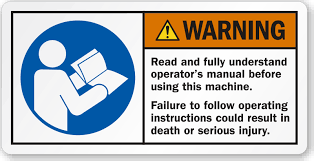
It might seem like a fundamental step, but skipping the operator’s manual is a common and dangerous mistake. Welding machines are not uniform; they vary wildly in terms of duty cycles, electrical requirements, and safety features.
Why the Manual Matters?
Before plugging in a new machine or striking your first arc, you must familiarize yourself with the manufacturer's specific guidelines. The manual provides critical information on:
Safety Warnings: Specific hazards associated with that particular model.
Proper Setup: Correct voltage requirements and grounding procedures to prevent electrical shock.
Maintenance Schedules: How and when to clean or replace wearable parts to ensure the machine operates safely.
Assuming you know how to operate a machine just because you have used a similar one in the past is a direct path to equipment failure or personal injury.
Rule 2: Wear the Correct Personal Protective Equipment (PPE)
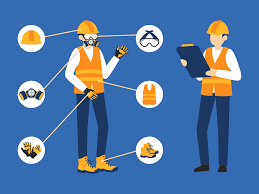
When you are welding, your body is subjected to a barrage of hazards: flying molten metal, intense ultraviolet (UV) and infrared (IR) radiation, and extreme temperatures. Your Personal Protective Equipment (PPE) is your armor. The golden rule of welding PPE is simple: leave absolutely no skin exposed.
Essential Welding PPE Checklist
| Protective Gear | Best Practices and Key Features |
| Welding Helmet | Use an auto-darkening helmet with the correct shade rating for your amperage. Ensure it covers your entire face and neck to block UV radiation. |
| Safety Glasses | Always wear ANSI Z87.1 approved safety glasses under your welding helmet to protect your eyes from flying debris when the hood is flipped up. |
| Welding Jacket | Wear a heavy-duty leather or flame-resistant (FR) cotton jacket. Never wear synthetic materials (like polyester), as they will melt directly to your skin if hit by spatter. |
| Welding Gloves | Choose the right glove for the process. Heavy, insulated leather gloves are required for Stick and high-amp MIG welding, while thinner, flame-resistant gloves provide the dexterity needed for TIG welding. |
| Footwear | Wear high-top, leather, steel-toed work boots. Ensure your pant legs cover the tops of the boots so molten spatter cannot drop inside. |
Rule 3: Ensure Proper Ventilation
Welding produces a highly toxic plume of smoke and gases. Depending on the base metal, the filler wire, and the shielding gas used, this plume can contain hazardous compounds such as ozone, nitrogen oxides, carbon monoxide, and microscopic metal particles (including manganese, zinc, and lead).
Strategies for Clean Air
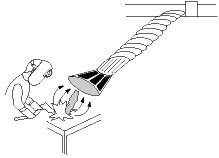
Local Exhaust Ventilation (LEV): The most effective way to protect your lungs is to use a source-capture fume extractor. These systems feature articulated arms that sit directly above the weld zone, vacuuming up the fumes before they ever reach your breathing zone.
Mechanical Ventilation: In larger shops, strategically placed exhaust fans and roof vents can help dilute the air, though this is less effective than source capture.
Respirators: When welding in confined spaces or working with highly toxic materials, a half-mask particulate respirator or a Supplied-Air Respirator (SAR) integrated into your welding helmet is absolutely mandatory.
Rule 4: Clear the Workspace of Fire Hazards
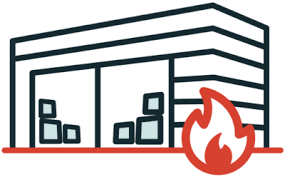
The welding arc can easily exceed temperatures of 10,000°F. However, the arc itself is rarely what starts a shop fire. The primary culprits are the sparks, slag, and molten spatter that can be thrown up to 35 feet from the welding area.
The 35-Foot Rule
Before you strike an arc, physically sweep your environment.
Remove all combustible materials within a 35-foot radius. This includes sawdust, paper, cardboard, oily rags, and flammable chemicals or solvents.
If a flammable item cannot be moved (such as heavy machinery or wooden structural pillars), it must be tightly covered with certified fire-resistant blankets or welding shields.
Always sweep the floor to remove dust and debris, and ensure there are no cracks in the floorboards where a smoldering spark could fall and ignite out of sight.
Rule 5: Protect Yourself from Electrical Shock
Arc welding uses live electrical currents to melt metal. Therefore, the risk of a severe or fatal electric shock is always present.
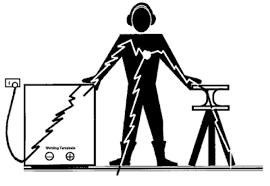
Electrical Safety Best Practices
Stay Dry: Water and electricity are a deadly combination. Never weld in the rain, while standing in puddles, or if your clothes and gloves are soaked in sweat. Water significantly lowers your body's electrical resistance.
Insulate Yourself: If you must weld on a steel deck or wet ground, stand on a dry rubber mat or a dry wooden board.
Inspect Your Ground: Ensure your work clamp (ground clamp) is securely attached to clean, bare metal as close to the weld zone as possible. A poor ground connection forces the electrical current to seek alternative paths, which could include the operator.
Rule 6: Inspect Equipment Before Every Weld
A culture of safety requires proactive maintenance. Relying on damaged or excessively worn equipment is a recipe for disaster.
Make it a habit to perform a quick visual and physical inspection of your setup before every shift:
Cables and Leads: Check for cuts, frays, or exposed wiring. If a cable is damaged, it must be replaced. Never attempt to "fix" a high-voltage welding lead with electrical tape.
Gas Apparatus: Inspect your shielding gas cylinders, regulators, and hoses. Use a soapy water solution to check for invisible gas leaks. Ensure cylinders are securely chained to a wall or cart so they cannot tip over and break the valve.
The Torch/Stinger: Check the condition of your MIG gun, TIG torch, or Stick electrode holder. Ensure the insulation is intact and the connections are tight.
7. Rule 7: Prepare the Base Metal Correctly
Welding over dirty, coated, or painted metal doesn't just result in a weak, porous weld—it creates immediate health hazards.
Beware of Toxic Coatings
Galvanized Steel: Welding galvanized steel vaporizes its zinc coating, creating a highly toxic white smoke. Inhaling this causes "metal fume fever," a severe condition characterized by intense flu-like symptoms.
Paint and Solvents: Burning through paint releases hazardous chemicals. Furthermore, if you clean the metal with chlorinated solvents (like certain brake cleaners) and then apply the UV light and heat of an arc, it can create phosgene gas—a deadly chemical agent.
Always use an angle grinder with a flap disc or wire wheel to clean the weld area down to bare, shiny metal before starting.
Rule 8: Use Welding Curtains for Bystander Safety
Your safety is critical, but so is the safety of everyone else in your facility. The intense light of a welding arc contains high levels of UV and IR radiation. Anyone looking at the arc from across the room can suffer from "arc eye"—a painful condition essentially equating to a sunburn on the cornea of the eye.
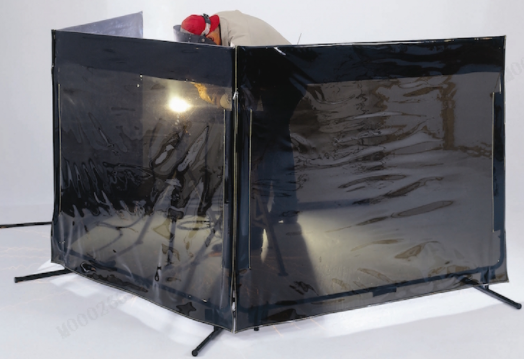
Creating a Safe Perimeter
Use translucent, UV-filtering welding curtains to surround your workstation. These allow ambient shop light in but prevent the dangerous arc rays from escaping.
If curtains are not viable, use solid, fire-resistant welding screens to block the line of sight to the arc.
Post clear, highly visible warning signs around the perimeter of the welding area to alert unauthorized personnel to the hazards.
Rule 9: Maintain Proper Ergonomics and Posture
While immediate hazards like fire and shock get the most attention, the long-term physical toll of welding can be just as damaging. Welders frequently suffer from musculoskeletal disorders due to spending hours bent over workbenches or contorted into awkward positions.
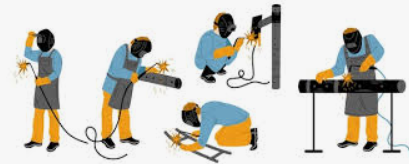
Adjust Your Workpiece: Whenever possible, use positioners, rotary tables, or adjustable workbenches to bring the weld joint to a comfortable height and angle.
Support Your Body: If you must weld out of position, use knee pads, arm supports, or a welding stool to reduce the strain on your back, neck, and joints. Taking short, frequent stretch breaks will drastically improve your long-term physical health.
Rule 10: Implement a Strict Fire Watch Protocol
Even if you have cleared the area of flammables, the risk of fire remains high. A stray spark can smolder in a hidden crevice for hours before bursting into flames.
The 30-Minute Rule
Always keep a fully charged, appropriate fire extinguisher (typically Class ABC) within immediate reach of your welding station. You should not have to leave the room to find one.
For major structural projects or when welding in high-risk environments, designate a "Fire Watch." This is a person whose sole responsibility is to watch for sparks, slag, and fires while the welder is working.
Crucially, the fire watch must remain on site for at least 30 minutes after all welding and grinding has stopped to ensure no smoldering embers ignite once the crew has gone home.
FAQs of Welding Safety Rules
Q1: What is "arc eye" or "welder's flash," and how do I prevent it?
Arc eye is a painful condition caused by exposing unprotected eyes to the intense ultraviolet (UV) radiation generated by a welding arc. It feels like having sand rubbed directly into your eyes and can cause temporary blindness. To prevent it, always wear a welding helmet with the correct shade rating and ensure bystanders are protected by UV-filtering welding curtains.
Q2: Is it safe to roll up my sleeves while welding if it's hot?
No. Rolling up your sleeves is incredibly dangerous. First, it exposes your bare skin to intense UV radiation, leading to severe "sunburns" and an increased risk of skin cancer. Second, the folds of a rolled-up sleeve create perfect pockets for molten metal spatter to land, burn through the fabric, and cause deep tissue burns. Always wear long sleeves buttoned tightly at the wrist.
Q3: Can I wear contact lenses while welding?
Yes, wearing contact lenses under your safety glasses and welding hood is generally safe. The industrial myth that the arc's heat will instantly fuse the contact lens to your eye is completely false. However, welding environments are notoriously dusty; be sure to wear wraparound safety glasses under your hood to keep airborne dust and debris from irritating your contacts.
Q4: Why shouldn't I use brake cleaner to prep my metal before welding?
Many automotive brake cleaners contain chlorinated solvents. When these specific chemicals are exposed to the extreme heat and UV radiation of a welding arc, they break down and form phosgene gas. Phosgene is a highly toxic, potentially lethal gas that was used as a chemical weapon in World War I. Only use 100% acetone or dedicated, non-chlorinated welding prep solvents to clean your base metal.
Conclusion
Welding is a powerful, transformative process, but it demands an unwavering respect for the physical and elemental forces at play. By internalizing and applying these 10 welding safety rules, you build a foundation of professionalism that protects your health, your workspace, and your livelihood.
Safety in the shop is not an accident; it is the result of continuous education, proactive equipment maintenance, and a refusal to cut corners. Equip yourself properly, prepare your workspace diligently, and weld with confidence.
Related articles
1. Common Dangers of Welding and How to Avoid Them
2. How to Prevent and Control Fire Hazards in Welding Operations?
3. Welding Safety: Hazards, Tips, & Precautions
4. When Light Poses Risks in Welding: Dangers and Solutions
5. How to Identify the 7 Most Dangerous Welding Defects?