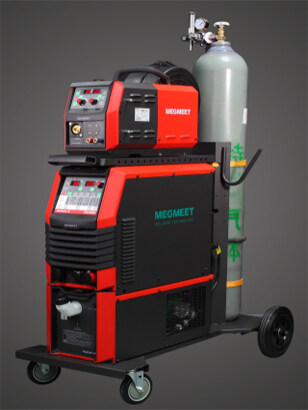
An electric welding machine is a device that uses electrical energy to melt the welding rod and the workpiece, thereby achieving metal bonding. There are many types of welding machines, such as AC welding machines, DC welding machines, inverter welding machines, and argon arc welding machines. Although the structure and working principles of different types of welding machines vary, they share some common fault symptoms and repair methods. Below, we will briefly introduce some common faults and troubleshooting methods for welding machines.
I. No Output or Unstable Output
This is a common fault that may prevent the welding machine from working properly or affect the welding quality. The causes of this fault include:
Broken or Poor Connection of Power Line or Output Line: This can lead to voltage drops or fluctuations, affecting the size and stability of the output current. The inspection method is to use a multimeter to measure whether the voltage at the input and output terminals is normal and whether the lines are intact.
Excessive or Insufficient Power Voltage: This can cause the internal components of the welding machine to malfunction or trigger the protection circuit, resulting in disconnected or unstable output. The inspection method is to use a multimeter to measure whether the input voltage meets the rated value and check for phase loss or fluctuations.
Damaged or Loose Current Regulator: This can result in the output current not matching the set value or changing randomly. The inspection method is to use a multimeter to measure whether the output current matches the regulator display and check if the regulator is firmly fixed.
Damaged or Aged Internal Components: This can cause output voltage or current distortion or result in short circuits or open circuits. The inspection method is to use a multimeter to measure the resistance or continuity of internal components and check for signs of burning or deformation.
The solution is to replace or repair damaged components or lines based on the inspection results to ensure normal input and output.
II. Overheating or Smoking Welding Machine
This is a serious fault that may damage the welding machine or cause a fire. The causes of this fault include:
Overloaded Welding Machine: This can cause internal components to overheat, exceeding their tolerance range, and leading to burning or melting. The inspection method is to observe whether the usage time and load rate exceed the specified values and check for the overcurrent protection indicator light.
Cooling System Failure: This can prevent internal components from dissipating heat effectively, causing temperature accumulation and rising. The inspection method is to observe whether the cooling fan is working properly and check for the temperature protection indicator light.
Poor External Environment: This can cause external temperatures to be too high, affecting internal heat dissipation or leading to the ignition of external flammable substances by sparks. The inspection method is to observe whether the working environment is well-ventilated and check for pollutants like oil stains or dust.
The solution is to reduce usage intensity or stop using the machine, enhance cooling or clean the radiator, and improve the working environment or stay away from flammable materials based on the inspection results.
III. Electric Welding Machine Casing is Live or Leaking Electricity
This is a dangerous fault that may cause electric shock to the operator or result in electric shock accidents. The causes of this fault include:
Damaged or Poorly Connected Power Line or Output Line Insulation: This can cause current to leak onto the casing, creating a potential difference and resulting in electric shock. The inspection method is to use a multimeter to measure whether the voltage between the casing and the ground is zero and check for cracks or wear on the lines.
Short Circuit or Breakdown of Internal Components: This can cause internal current to flow to the casing, creating a potential difference and resulting in electric shock. The inspection method is to use a multimeter to measure the continuity of internal components and check for signs of burning or deformation.
Improper Grounding Line Connection: This can prevent the casing from being effectively grounded, creating a potential difference and resulting in electric shock. The inspection method is to use a multimeter to measure whether the resistance between the grounding line and the ground is zero and check if the grounding line is connected correctly.
The solution is to replace or repair damaged components or lines based on the inspection results to ensure proper insulation and to connect or correct the grounding line to ensure reliable grounding.
The above is the information we have compiled on troubleshooting and repair methods for welding machine faults. we hope this is helpful to you. If your Megmeet welding machine encounters any faults, please feel free to contact us, and we will arrange for a professional to assist you as soon as possible to help you resume normal production work.
FAQs of Common Electrical Welding Machine Defects and Solutions
Q1: What are the common power-related causes for a welding machine having no output or an unstable output?
The primary causes related to power are a broken or poorly connected power line or output line, which leads to voltage drops or fluctuations, or excessive or insufficient input power voltage (including phase loss or fluctuations).
Q2. If the welding machine's output current is unstable or doesn't match the setting, what is the likely component fault?
A common internal cause is a damaged or loose current regulator. This component controls the output current, and when faulty, it can cause the current to mismatch the set value or change randomly. Additionally, damaged or aged internal components can cause output current distortion.
Q3. What are the main reasons for an electric welding machine to overheat or start smoking?
Overheating is typically caused by:
Overloaded operation: Using the welding machine beyond its specified usage time or rated load rate.
Cooling system failure: The cooling fan is not working properly, preventing internal components from dissipating heat effectively.
Poor external environment: High ambient temperatures or the presence of excessive dust or oil stains around the machine.
Q4. What is the most dangerous fault, and what are its causes?
The most dangerous fault is when the electric welding machine casing is live or leaking electricity, which can cause electric shock. The causes include:
Damaged or poorly insulated power or output lines.
A short circuit or breakdown of internal components that directs current to the casing.
Improperly connected or faulty grounding, which prevents the casing from being effectively grounded.
Q5. What is the first step in troubleshooting a live welding machine casing related to grounding?
You should use a multimeter to measure:
The voltage between the casing and the ground (should be zero).
The resistance between the grounding line and the ground (should also be zero). The immediate solution is to replace or repair damaged lines and ensure the grounding line is correctly connected to provide reliable grounding.
Related articles:
1. Tungsten Electrodes Basics: Types, Pros & Cons, Selection, Maintenance
2. 9 Maintenance Problems that Cause Bad Welds
3. Undercut Welding Defect: Causes, Prevention, and Repair
4. Welding Defects, Problems And Easy Solutions [2023]
5. Solutions to 10 Common TIG Welding Problems