The shift from traditional MIG/TIG fabrication to handheld fiber laser welding is no longer a "future trend"—it is the current industrial standard. For manufacturing engineers and shop managers, the transition offers a 4x to 10x increase in welding speed and a significantly reduced learning curve for new operators.
However, with the market flooded with various power sources and cooling configurations, selecting a brand that balances duty cycle, beam stability, and after-sales support is critical for ROI. This 2026 analysis evaluates the top performers that have defined the market over the last two years, focusing on technical reliability and industrial application.
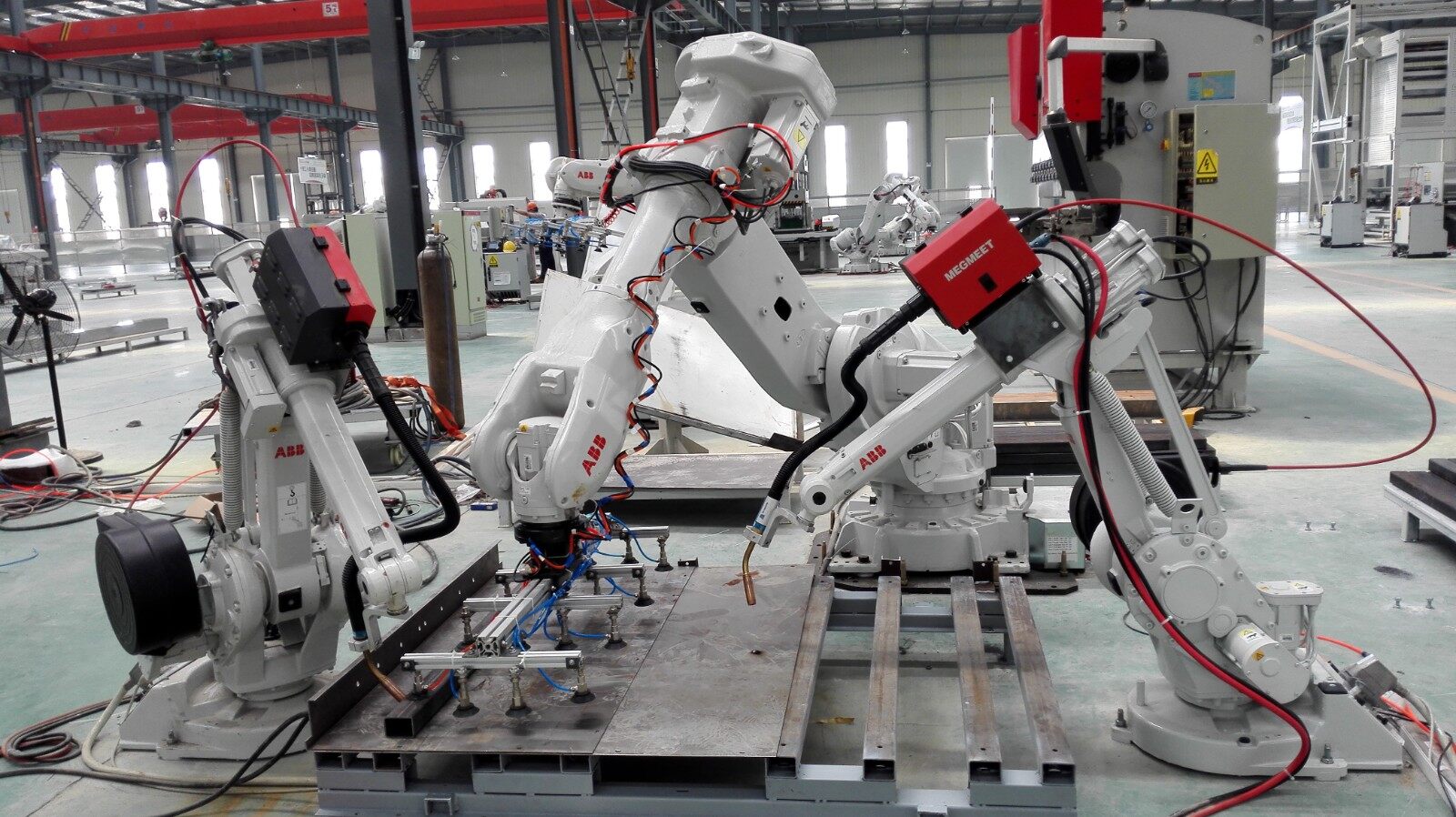
I. Why the Industry is Shifting to Handheld Laser Technology
Traditional welding methods (MIG/TIG) often struggle with thin materials, thermal distortion, and the "skills gap." Handheld laser welding addresses these pain points through four core advantages:
Minimal Heat-Affected Zone (HAZ): The concentrated energy of a fiber laser beam ensures deep penetration with minimal surrounding heat. This prevents the warping and "rainbowing" common in stainless steel and aluminum.
Unmatched Speed: Laser welding is significantly faster than traditional manual processes, leading to a massive increase in throughput and a reduction in labor costs per part.
Low Barrier to Entry: While TIG welding takes years to master, a novice operator can produce high-quality laser welds with just a few hours of training.
4-in-1 Versatility: Many modern units now include welding, cutting, weld-seam cleaning, and remote cleaning in a single handheld head.
II. Top 10 Handheld Laser Welding Machine Brands of 2026:
The following ranking reflects global market reputation, technological innovation, and real-world performance in industrial environments.
Top 1. LaserStar: The Precision Benchmark
LaserStar remains the "gold standard" for applications where the tolerance for error is non-existent. Their optical systems are engineered to minimize beam divergence, ensuring that the focal point remains consistent even during long production shifts.
Technical Edge: Proprietary control software that allows for granular pulse-shaping.
Ideal Application: Medical device assembly and high-end electronics where thermal sensitive components are adjacent to the weld.
Top 2. IPG Photonics: The Powerhouse of Fiber Sources
As the world’s leading manufacturer of fiber laser sources, IPG Photonics’s handheld units (specifically the LightWELD series) benefit from vertical integration. Their machines are known for having the most resilient internal diodes in the industry.
Technical Edge: High-efficiency air-cooled systems that eliminate the need for bulky water chillers in lower power ranges.
Ideal Application: Heavy-duty manufacturing environments where 24/7 uptime is required.
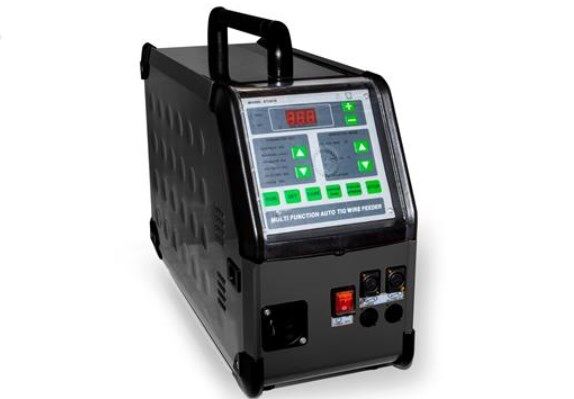
Top 3. Han's Laser: Industrial-Grade Reliability
Han's Laser has built a reputation for "workhorse" machines. Their handheld units are designed with a focus on the harsh realities of the factory floor, featuring reinforced fiber-optic cables and dust-resistant enclosures.
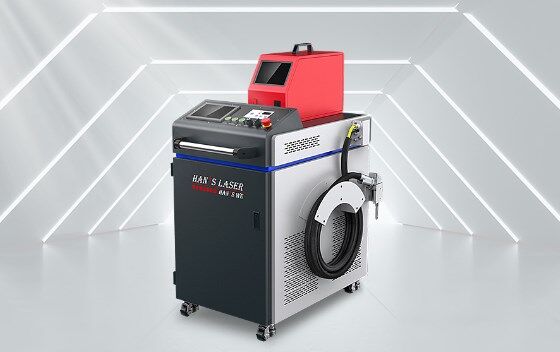
Top 4. TRUMPF: The Master of Versatility
A German powerhouse, TRUMPF focuses on high-end integration. Their handheld solutions are designed for shops that prioritize long-term durability and extensive application support.
Top 5. Megmeet: Precision Stability and 4-in-1 Innovation
Megmeet LUX series 4-in-1 laser welding machine has become a standout performer, particularly favored by overseas marketing and engineering teams for its "all-in-one" utility. The LUX series successfully bridges the gap between high-end performance and accessible pricing.
Stable Power Output: Utilizing advanced power electronics, the LUX source maintains a consistent output even during voltage fluctuations on the factory grid.
Multifunctional Capability: The 4-in-1 system (weld, cut, clean, remote clean) is highly effective for aluminum and stainless steel projects where pre-weld cleaning is mandatory for quality.
Power Options: Available in 1.5kW, 2kW, and 3kW configurations to handle material thicknesses from 0.5mm up to 8mm.
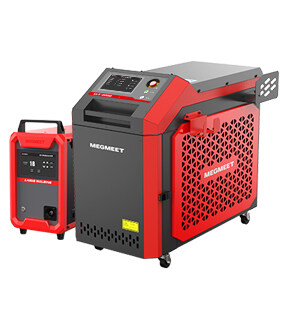
Top 6. AMADA WELD TECH: Engineering Excellence in Portable Welding
Focusing on the "mobile fabricator," AMADA’s units are designed to be compact and easy to maneuver around large workpieces like stainless steel tanks or automotive frames.
Top 7. Coherent: High-Efficiency Beam Delivery
Coherent emphasizes "Total Cost of Ownership." Their machines are designed with high-efficiency cooling systems that reduce energy consumption and extend the life of the optical components.
Top 8. OR Laser: Agile Mobile Solutions
OR Laser specializes in on-site repair. Their HTS Mobile series is often found in the mold and die repair industry, where the machine must be brought to a large, stationary tool.
Top 9. ROFIN (Coherent Brand): User-Centric Intuition
Now part of the Coherent family, ROFIN’s legacy is in user-friendly software. Their "EasyWeld" interface allows operators to select a material and thickness from a library, and the machine automatically sets the optimal parameters.
Top 10. Golden Laser: Adaptable Precision for Diverse Needs
Golden Laser has carved out a significant market share by offering "adaptable precision." Their systems are highly customizable, allowing shops to choose specific power and cooling configurations.
III. Brand Comparison Table: At a Glance
| Brand | Primary Strength | Power Range | Best For |
| LaserStar | Micro-precision | 150W - 2kW | Medical/Jewelry |
| IPG Photonics | Fiber source reliability | 1.5kW - 3kW | Heavy Industrial |
| Han's Laser | Structural robustness | 1kW - 3kW | General Fabrication |
| TRUMPF | Modular integration | 1kW - 2kW | Automated Cells |
| Megmeet | Power stability & 4-in-1 tech | 1.5kW - 3kW | High-Volume Mfg |
| AMADA WELD TECH | Portability/Ergonomics | 1kW - 2kW | On-site Repair |
| Coherent | Exceptional beam quality | 1kW - 1.5kW | Aerospace/Precision |
| OR Laser | Mobile/Remote repair | 1kW - 2kW | Field Maintenance |
| ROFIN | User Interface (UI) | 1kW - 2kW | Small Shops |
| Golden Laser | Price-to-Performance | 1kW - 3kW | Budget-conscious |
IV. Technical Considerations: How to Choose
When selecting your laser welder, don't just look at the price tag. Consider these three technical pillars:
1. Cooling Systems: Air vs. Water
Air-Cooled: Generally limited to 1.5kW or lower. Great for portability but may struggle in high-ambient-temperature environments.
Water-Cooled: Essential for 2kW and 3kW machines. Provides the stability needed for continuous, high-volume production.
2. Pulse vs. Continuous Wave (CW)
Most handheld units are CW, but some offer pulsed modes. Pulsed mode is critical for heat-sensitive materials like thin aluminum to prevent burn-through.
3. Safety Integration
Laser safety is paramount. Ensure the brand includes:
V. Frequently Asked Questions (FAQ)
Q1. Is handheld laser welding safe?
Q2. Can it replace TIG welding entirely?
For about 80% of applications, yes. However, for certain high-pressure pipe welds or specific aerospace alloys where extreme penetration control is needed, TIG remains the standard.
Q3. What gas is needed for handheld laser welding?
Conclusion: Making the Right Choice
The "best" brand depends on your operational scale. If you are in medical or high-precision electronics, LaserStar or Coherent are the logical choices. For general industrial fabrication requiring high power and versatility, Megmeet and IPG offer the most robust ROI.
As we move through 2026, the integration of AI-assisted parameter settings and even lighter handheld heads will continue to drive this technology. Investing in a top-10 brand ensures that you are not just buying a welder, but a long-term production asset.
Related Articles:
1. Laser Welding of Aluminium Alloys: Master Precision and Strength
2. Industrial lasers and applications in automotive welding
3. Essential considerations for laser welding
4. An Introduction to Laser Welding for Dissimilar Metals
5. Prices of All Types of Laser Welding Machines for Reference