Multi-process welding machines (or multi-process welders) are versatile all-in-one units that combine several welding modes—such as MIG, TIG, Stick (SMAW), and flux-cored—into a single system. This flexibility means one machine can handle jobs that would otherwise require multiple welders. For example, a single multi-process welder can perform plasma cutting, pulsed MIG, synergic MIG, flux-cored, TIG, and stick (MMA) welding.
Such machines save space and cost by eliminating the need for separate equipment. As one welding expert notes, using a multi-process welder “eliminates the need for multiple specialized machines, reducing equipment costs”. In this guide, we’ll explain what a multi-process welding machine is, how it works, its advantages and drawbacks, and what to consider when choosing one.
I. What Is a Multi-Process Welder?
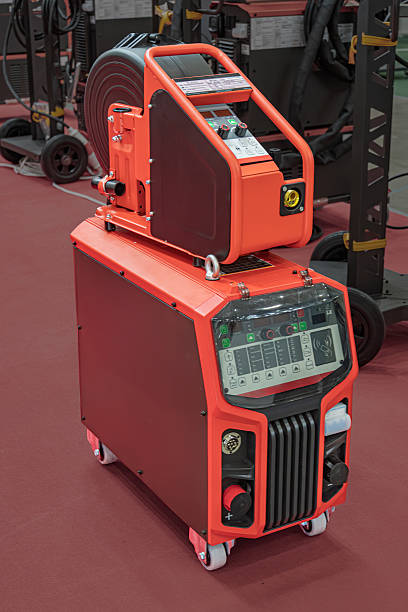
A multi-process welder is a single welding machine that supports multiple processes. Unlike a traditional welder dedicated to one method (e.g. a MIG-only or TIG-only machine), a multi-process unit can switch between modes on the fly. Common processes include:
MIG/GMAW (Gas Metal Arc Welding) – melts a consumable wire to join metals.
TIG/GTAW (Gas Tungsten Arc Welding) – uses a non-consumable tungsten electrode for precision, often on thin or high-quality work.
Stick/SMAW (Shielded Metal Arc Welding) – uses flux-coated electrodes for outdoor or heavy-duty work.
Flux-Cored (FCAW) – similar to MIG but uses flux-cored wire, good for outdoor/windy conditions.
Plasma Cutting (on some 5-in-1 or higher units) – cuts metal with a plasma torch.
Multi-process welders often include digital controls and synergic features to adjust parameters automatically. They have built-in power sources capable of providing the needed current/voltage for each process. Many models allow both 120V and 240V input, and support AC (for TIG aluminum) as well as DC output. In short, a multi-process machine is a “versatile welding machine that combines multiple welding processes into a single unit”.
II. How It Differs from Single-Process Welders?
A single-process welder is designed for only one welding type. For example, a MIG welder only does MIG, and a TIG welder only does TIG. If you needed multiple processes, you’d need separate machines and more shop floor space. In contrast, a multi-process welder handles all of those jobs in one cabinet. This is especially useful in situations like pipe welding or automotive work where one part of a joint might need TIG (for root passes) and another part needs stick or MIG. In these cases, using a single multi-process unit is more efficient than switching machines. However, multi-process units tend to be more expensive than single machines, so if you only ever do one type of welding, a dedicated machine may be more economical.
III. Key Welding Processes Supported
Multi-process machines generally cover all the major arc welding techniques:
MIG Welding (GMAW): Common for fast, high-deposition welding of steel and stainless. Ideal for thicker materials and production work. Most multi-process welders include MIG capability.
TIG Welding (GTAW): Provides precise, high-quality welds on thin or exotic metals. Multi-process units often include DC TIG (for steel, stainless) and some include AC TIG (for aluminum).
Stick Welding (SMAW/MMA): Uses stick electrodes. Good for outdoor or field work, rusty/dirty metals. Multi-process welders typically support DC stick with common rods.
Flux-Cored Welding (FCAW): A variant of MIG using flux-core wire. Useful for thicker metals and outdoor conditions. Many units support gas-shielded or self-shielded flux-cored modes.
Plasma Cutting (optional): Higher-end multi-process welders (5-in-1 or 6-in-1) may include a plasma cutter function to cut metal. This adds cutting capability without a separate tool.
A top-tier multi-process welder may even offer synergic controls and pulsed modes. For example, modern 5-in-1 welders come with LCD screens and presets so you can select “flux-core 0.045″” and the machine automatically adjusts the voltage and wirefeed. The picture above illustrates the range of welding processes a single machine can perform: from plasma cutting to pulsed MIG, synergic MIG, flux-cored, TIG, and stick welding.
IV. Advantages of Multi-Process Welding Machines
Investing in a multi-process welder offers several benefits:
Cost Savings: You buy one machine instead of several. This eliminates the need to purchase, maintain, and store multiple welders. As Megmeet notes, a multi-process unit “eliminates the need for multiple specialized machines, reducing equipment costs”. Maintenance and consumable costs are also consolidated.
Space Efficiency: A compact all-in-one unit takes up far less floor space than multiple single-process welders. Megmeet highlights that combining MIG, TIG, Stick (and other) functions into one machine “significantly reduces clutter in your workspace” and frees up floor space. Fewer machines mean better workflow and easier storage of equipment.
Versatility: By definition, these machines can handle a wide range of tasks and materials. Whether you need to weld steel, stainless, or aluminum, and whether you want deep-penetration stick or high-precision TIG, the same machine can adapt. This makes it ideal for shops that tackle diverse jobs. ArcCaptain emphasizes “Versatility: the multi process welder can work with multiple welding modes, so there is no need to set up each single process welder separately”.
Time Savings: You can switch modes on the fly without interrupting workflow. No need to move workpieces between different machines or rebuild setups. Megmeet notes that welders can “seamlessly switch between processes without the need for extensive setup changes”, boosting productivity.
Ease of Training: With only one control panel to learn, operators can become proficient faster. Megmeet points out that multi-process units simplify training: operators only need to learn one interface and can use pre-set modes, which “reduces training time”.
Adaptability: Modern multi-process welders often have features like synergic welding, where the machine auto-adjusts settings based on wire size and mode. This adaptability helps even beginners get high-quality results. Over time, welders can also “enhance their skill set and versatility” by working with the different processes.
In summary, a multi-process welding machine delivers all-in-one convenience: one unit, many welding processes.
V. Considerations When Choosing a Multi-Process Machine
While multi-process welders are powerful, choosing the right one requires care. Key factors include:
Processes Needed: Identify which welding modes you require. Common packages include 3-in-1 (MIG/TIG/Stick) or 4-in-1 (adding FCAW), up to 6-in-1 (adding plasma, pulsing). “You have to check that your welder fits your required welding modes,” advises ArcCaptain. Buying a machine without a needed mode (e.g. TIG) wastes money.
Output Power & Duty Cycle: Check the amperage range (output current) and duty cycle rating. A higher max output lets you weld thicker metals. For daily heavy work, look for a high-duty-cycle model (e.g. 60% @ 200A means 6 minutes welding out of 10). ArcCaptain warns that multi-process machines typically “cannot reach the power and duty cycle of single process ones”, so ensure the chosen amperage suits your workloads.
Input Voltage: Many units are dual-voltage (120/240V) for flexibility. If you need to weld outdoors or in various locations, dual-voltage is valuable. AC vs DC: if you plan to TIG weld aluminum, make sure the machine supports AC TIG.
Portability (Weight): Will you move it around? Megmeet notes that weight matters: lightweight models are easy to transport, while heavier ones are meant to stay in a workshop. If you need field portability, look for a compact unit (many multi-process machines weigh 40–60 lbs).
Ease of Training: With only one control panel to learn, operators can become proficient faster. Megmeet points out that multi-process units simplify training: operators only need to learn one interface and can use pre-set modes, which “reduces training time”.
Control Interface: Modern welders often have digital displays, memory presets, and knob/button interfaces. Intuitive controls (like an LCD screen and synergic modes) make switching processes faster. Look for machines with pre-set programs and easy-to-read screens. Megmeet recommends digital displays and pre-set modes to simplify operation.
Safety Features: Check for built-in protections such as overheat/overload protection, voltage reduction device (VRD), and cooling fans. These features help prevent damage and improve longevity.
Budget: Multi-process welders can range from under $500 (for basic 3-in-1 hobby models) up to several thousand dollars (for industrial-grade 6-in-1 units). Generally, the more processes and power you get, the higher the price. Megmeet notes that multi-process machines “become more expensive than the single process welders”, so only pay for the extra if you truly need those capabilities.
Repair and Maintenance: Because they contain complex electronics and multiple functions, repair costs can be higher than for simple welders. Consider warranty length (many reputable brands offer 3–5 year warranties) and service support.
Brand and Support: Well-known brands (e.g. Miller, Lincoln, ESAB, Hobart, Megmeet, YesWelder, etc.) often provide better support, manuals, and parts availability. Read reviews or ask professionals which brands they trust.
It helps to list your specific needs first. ArcCaptain advises: “What are your work needs?… if your work needs a combination of many welding modes, the multi process welder is the right choice”. In practice, make a checklist: required processes, metal thicknesses, duty cycle, power availability, portability, and budget. This ensures the chosen machine will be a good fit.
VI. Applications and Use Cases
Multi-process welders shine in settings where flexibility is key. Typical applications include:
Auto Repair: Ideal for bodywork and frame repairs. A welder can MIG-weld auto-body panels, TIG precise exhaust or trim parts, and stick heavy brackets. ArcCaptain highlights that multi-process machines are “used in factories and workshops in which the welders need to work with more than one welding mode – like piping or automotive work”.
Metal Fabrication & Construction: Fabricators often need to join various materials and thicknesses. For structural frames, one can TIG-weld stainless or aluminum sections and MIG-weld thick steel beams with the same unit. As Megmeet notes, these machines handle “steel frames to assembling metal structures”.
Artistic and Hobbyist Projects: Metal sculptors and DIY enthusiasts benefit from the control of TIG plus the speed of MIG and ease of stick on tougher pieces. Perfect Welders mentions “artists and sculptors… harness the precision of TIG and versatility of stick to create metal artworks”.
Pipe Welding and Maintenance: Plumbing and pipefitting jobs often require TIG for root passes and Stick or FCAW for fill/pass runs on large pipes. In such cases, one multi-process unit can do the entire weld. Multi-process welders are used “in the field of cars manufacturing” for spot, seam, and stick welding – and similarly, they benefit industrial pipe work.
Home and Farm Projects: For hobbyists fixing a metal gate or making equipment, having TIG, MIG, and stick in one machine is convenient. Perfect Welders lists “repairing a metal gate or building a custom barbecue grill” as ideal home projects for a multi-process welder.
Small Business & Mobile Welding: Contractors who move between jobs appreciate that a single portable unit (sometimes carried on a cart) can meet all on-site needs. Many service shops (e.g. machinery repair, welding services) invest in 3-in-1 or 4-in-1 welders to handle diverse customer requests without extra equipment.
The versatility means one machine can adapt to nearly any welding task. As the multi-process concept has grown, even beginner-friendly models (like the Miller Multimatic 215) are marketed for home and workshop use. For light industrial use, models like Lincoln’s Power MIG 210 MP cover common needs. And for heavy-duty production, high-end machines like the ESAB Rebel EMP series offer multi-process capabilities with industrial durability.
VII. Pros and Cons of Multi-Process Welders
Pros:
Versatility: One machine handles many processes. No need to switch gear or setups.
Cost-Efficiency for Multi-Welding Needs: Cheaper than buying several machines if you actually need multiple modes.
Portability: Many multi-process units are designed to be relatively lightweight and compact, making them easy to move to different job sites.
Synergic Modes: Many include automatic parameter settings for ease (just input material type or wire size). This is great for beginners.
Space-Saving: Combining machines frees up workshop space.
Time-Saving: Faster transitions between jobs without re-rigging equipment.
Cons:
Higher Initial Cost for Single Tasks: Multi-process units are pricier than single-process equivalents. If you only weld with one method, it may not be worth it.
Limited Power/Duty Cycle: Each process might have lower max power than a dedicated machine. For example, the MMA (stick) output on a 200A multi-process welder might be less powerful than a standalone 200A stick machine.
Complexity & Repair: With advanced electronics and many functions, repairs can be costly. Megmeet notes the parts are “high technological”, meaning higher repair bills.
Weight (sometimes): While many are portable, high-powered multi-process machines can be heavy. If portability is critical, check the weight.
Learning Curve: New users must learn one machine, but also must understand how to switch and adjust for each process. However, presets mitigate this.
In short, multi-process welders trade off cost and complexity for unmatched versatility. They’re ideal if your work truly demands multiple processes. For single-mode work, a dedicated welder might suffice.
VIII. Choosing the Right Multi-Process Welder
When picking a multi-process machine, evaluate your welding projects carefully. Some tips:
Identify Welding Requirements: List the materials and thicknesses you weld most often. A lighting fabrication shop might prioritize DC MIG and TIG for steel and aluminum. A maintenance crew might need all modes, including stick for outdoor use. This determines which processes (and power levels) are must-haves.
Check Power Supply: Ensure your workshop’s power matches the machine. Do you have 240V available, or only 120V? Many units are dual-voltage (120/240V) for flexibility. If you TIG aluminum, make sure AC TIG is offered.
Consider Duty Cycle: For long runs or thick sections, a high duty cycle is important. If you’re doing continuous work (daily/weekly), get a unit rated for continuous duty at needed amperage.
Weight and Portability: If you’ll carry it around, look for under ~50 lbs or a built-in handle. Some have optional carts. Heavier units (60–80 lbs) stay on a bench.
Features: Digital controls, preset programs, and feedback displays make setup easier. Synergic or auto-set functions (automatic setting of voltage/wirefeed based on mode) help avoid guesswork.
Quality and Warranty: Invest in a reputable brand if possible. Check reviews for reliability. A 3–5 year warranty is common on better machines.
Accessories: Some welders include torches for each mode, ground clamps, regulators for gas, etc. Consider the cost of buying missing accessories separately.
By matching a machine’s specs to your workflow and budget, you’ll get the most value. As one source advises, “think about your work needs… [and] what is the suitable duty cycle and efficiency needed”.
IX. Welding Machine Maintenance and Care
Proper care extends a welder’s life:
Regular Cleaning: After use, brush away dust, metal shavings, and wire fragments from vents and panels. A clean machine cools better and avoids electrical shorts.
Inspect Consumables: Check electrodes, nozzles, and contact tips for wear. Replace them when worn to ensure stable arcs.
Check Cables and Connections: Look for frayed wires, loose connectors or plugs. Faulty leads can cause poor welds or shorts.
Keep Vents Clear: Ensure air vents and fans are unobstructed. Good airflow prevents overheating, especially during long welds.
Maintain Duty Cycle: Always operate within the machine’s rated duty cycle. Let it cool down as needed (the front panel usually indicates duty cycle percentage).
Quality and Warranty: Invest in a reputable brand if possible. Check reviews for reliability. A 3–5 year warranty is common on better machines.
Storage: Store in a dry, cool place. Remove cables/torches if storing long-term to prevent tangles or damage.
Follow Manual: Adhere to manufacturer’s maintenance schedule. Test safety features (overload trip, etc.) periodically.
X. Popular Multi-Process Welder Brands
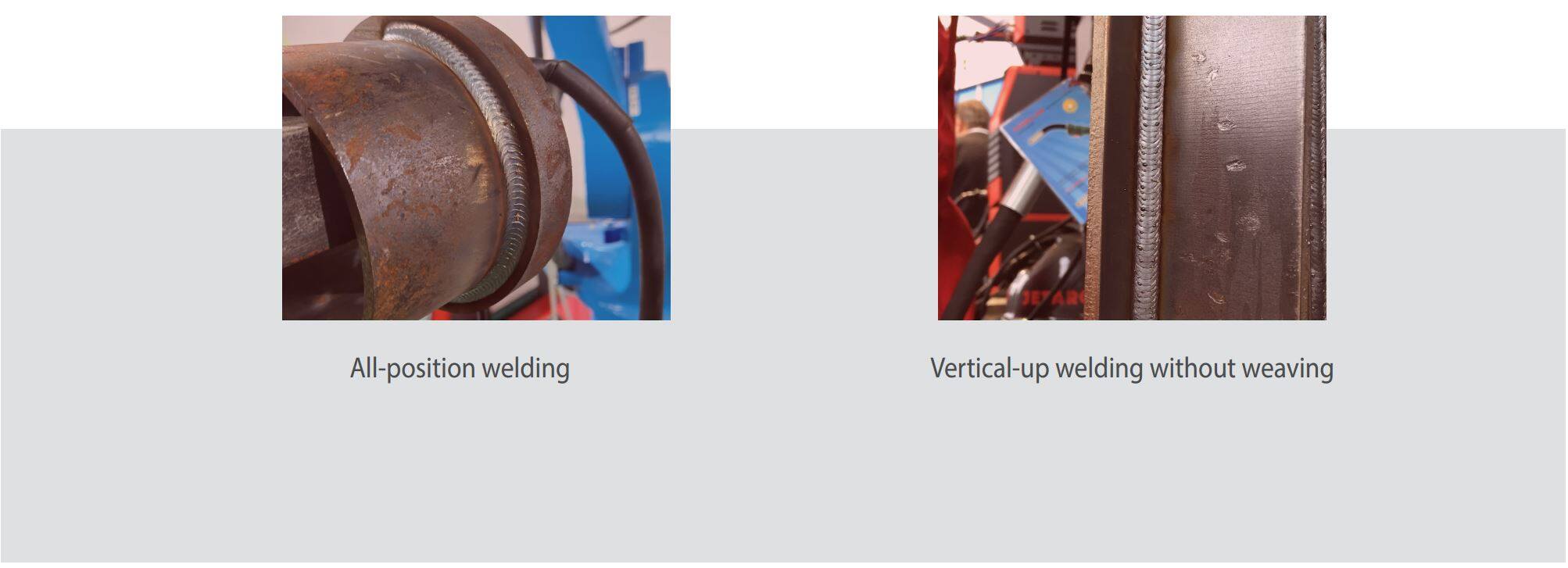
Several manufacturers offer notable multi-process units. A few examples:
Miller Electric: The Multimatic series (e.g. Multimatic 215) is highly regarded for its MIG/TIG/Stick combo. They are often dual-voltage and come with user-friendly interfaces.
Lincoln Electric: The Power MIG 210 MP provides MIG, TIG, and stick. It’s known for rugged build and suits light industrial use.
ESAB: The Rebel series (e.g. Rebel EMP 285ic) offers 4-in-1 or 5-in-1 capability with AC/DC TIG, aimed at heavy-duty shop use.
Megmeet: The Artsen Plus series Multi-process Welders have special welding processes to fit all occasions almost: rail transit, automobile, shipbuilding, steel structure, container, machinery, hardware industry, heavy industrial load, other harsh environment operations.
Hobart: The Multi-Handler 200 is a workhorse 3-in-1 (MIG/Stick/TIG) and is popular for professional shops.
Each brand has its pros and cons in terms of cost, warranty, and availability. When possible, look up user reviews and consider after-sale support.
Conclusion:
A multi-process welding machine is a flexible, space-saving solution for welders who need to tackle multiple types of welding. By combining MIG, TIG, Stick, (and sometimes FCAW or plasma) in one unit, it offers convenience and efficiency. These machines can greatly reduce equipment cost and workshop clutter, while enabling you to weld a wide range of materials and projects. However, they are typically more expensive upfront and may have lower duty cycles per mode compared to dedicated welders.
Choosing the right multi-process welder means balancing your specific needs—processes, power, portability—with your budget. Remember to factor in maintenance and training benefits as well. With proper care and the correct model, a multi-process welding machine can become an indispensable tool, “empowering welders to tackle a wide spectrum of projects with efficiency and precision.”
Related articles
1. Multiprocess Welder with AC TIG -- Benefits, Features, and Models
2. Multipass Welding: What It Is and How to Do It Right?
3. 7 Best Multi-Process Welders of 2023 – Reviews & Top Picks
4. Top 10 Multiprocess Welders Recommended by Industry Experts
5. 【New Product】Ehave-2 CM Series -- Full Digital IGBT Inverter Multi-function Welding Machine