Aluminum is a lightweight, durable, and versatile material that is widely used in industries like aerospace, automotive, and construction. However, before welding aluminum, proper surface preparation is essential to ensure a high-quality weld. Welding aluminum is more challenging than welding other materials, primarily because of its tendency to form a tough oxide layer and attract contaminants such as oils, dirt, and moisture. These impurities can severely compromise the integrity of your welds.
This comprehensive guide will walk you through the best techniques and methods for cleaning aluminum before welding, providing you with practical tips and insights to prepare aluminum for high-quality, defect-free welding.
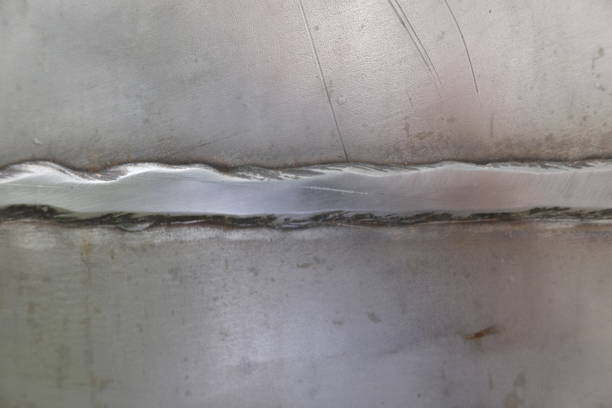
I. Why Cleaning Aluminum is Critical Before Welding?
When it comes to aluminum welding, cleaning and preparation are essential to achieving strong, reliable welds. Here are the key reasons why cleaning aluminum is critical before you start welding:
1. Oxide Layer
Aluminum is highly reactive and instantly forms a thin, hard oxide layer when exposed to air. This oxide layer has a much higher melting point (around 3,700°F / 2,038°C) compared to aluminum (around 1,220°F / 660°C). If this layer isn't removed before welding, it can inhibit proper fusion between the aluminum base and the filler metal. This leads to weak joints and poor weld quality.
2. Contaminants
Oil, grease, dust, and other organic contaminants can accumulate on aluminum surfaces over time. These contaminants, if not removed, can cause porosity (small holes trapped in the weld pool) and weaken the bond. Trapped hydrogen from contaminants is a common cause of hydrogen embrittlement and cracking in the final weld.
3. Prevention of Welding Defects
Weld defects such as lack of fusion, porosity, and cracks are often the result of poor cleaning. Properly cleaning the aluminum ensures a clean, contaminant-free surface, leading to a smooth and reliable weld that meets the desired strength and aesthetic quality.
II. Step-by-Step Guide: How to Clean Aluminum Before Welding?
Now that you understand the importance of cleaning aluminum, let's dive into the step-by-step process you should follow to ensure a clean, defect-free surface for welding.
Step 1: Degrease the Surface
Before removing the oxide layer, it's crucial to eliminate any oils, grease, and other organic contaminants from the surface of the aluminum. Grease, oil, and moisture can trap hydrogen during the welding process, leading to porosity and weak welds.
1) How to Degrease Aluminum:
Solvents: Use a solvent like acetone, toluene, or MEK (methyl ethyl ketone) to clean the surface. These solvents effectively remove oils, grease, and other contaminants.
Citrus-based cleaners: For a more environmentally friendly option, you can use citrus-based degreasers, which are effective and biodegradable.
Application: Wipe the surface with a lint-free cloth or cheesecloth soaked in the solvent. Avoid using rags that leave fibers behind, as these can interfere with the weld.
Avoid chlorinated solvents: These are hazardous and can release toxic gases when exposed to the welding arc.
2) Tip:
Step 2: Remove the Oxide Layer
After degreasing, the next critical step is to remove the aluminum oxide layer. Aluminum’s oxide forms instantly and is highly adherent to the surface. To ensure proper fusion between the base metal and filler metal, this layer must be thoroughly removed.
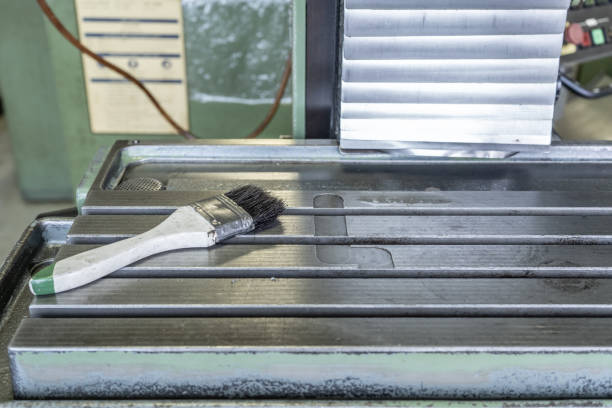
1) Mechanical Methods for Removing the Oxide Layer:
Wire Brush: Use a stainless-steel wire brush dedicated to aluminum. The wire brush will scrape off the oxide layer. Always use a new brush to prevent cross-contamination from steel, which could weaken the weld.
Rotary Tools: For heavily oxidized or cast aluminum, a rotary tool or carbide burr can be used to break up the oxide layer.
Abrasive Pads or Discs: Fine abrasive pads or discs are effective for light oxide buildup. Use a non-abrasive pad to avoid scratching or damaging the aluminum surface.
2) Tip:
Always work in one direction when using a wire brush or abrasive disc. This helps prevent pushing the oxide back into the surface.
Never use a steel brush for cleaning aluminum. It can introduce iron into the weld, leading to weakness and potential weld failure.
Step 3: Final Wipe with Solvent
After you have removed the oxide layer, it’s important to do a final cleaning to remove any residual debris and dust from the mechanical cleaning process. This ensures the surface is ready for welding and free from contaminants.
Final Cleaning:
Use a lint-free cloth soaked in acetone or another appropriate solvent to wipe the surface clean.
Avoid compressed air for this final wipe, as it can blow contaminants back onto the aluminum.
Perform the final cleaning just before you begin welding. Aluminum oxide begins to reform immediately once exposed to air, so it’s best to minimize the time between cleaning and welding.
III. Advanced Cleaning Techniques for Aluminum
For more complex welding projects or specialized applications, you may need to use more advanced methods for cleaning aluminum.
1. Chemical Pickling
Chemical pickling is an effective method for heavy oxide buildup or complex geometries. This involves immersing the aluminum in an acidic solution to dissolve the oxide layer.
Pros: Works on complex shapes and parts that are difficult to clean with mechanical methods.
Cons: Requires handling of hazardous chemicals, thorough rinsing, and disposal of waste. It’s not recommended for hobbyist shops.
2. Laser Cleaning
Laser cleaning is a newer technology that uses laser beams to vaporize the oxide layer and contaminants. This method is highly effective and produces minimal waste, but it requires expensive equipment.
Pros: No physical contact with the material, minimal residue.
Cons: High cost, not available for most small shops or home use.
IV. Best Practices for Aluminum Welding Preparation
Once the aluminum is clean, there are several best practices you can follow to ensure the highest quality welds.
1. Protect from Reoxidation
Aluminum starts to oxidize immediately upon exposure to air. After cleaning, keep the surface protected from moisture and air as much as possible. It’s best to weld soon after cleaning to avoid oxide reformation.
2. Use the Right Filler Material
Ensure you are using the appropriate filler material for the type of aluminum you are welding. Common filler rods for aluminum welding include 4043 and 5356, which are designed for specific aluminum alloys.
3. Tack Weld and Preheat if Necessary
Tack weld frequently to hold pieces in place and prevent distortion during the final weld.
For thicker aluminum, consider preheating the material to prevent cracking or warping.
V. Common Mistakes to Avoid When Cleaning Aluminum
Even experienced welders sometimes make mistakes in cleaning aluminum. Here are the top mistakes to avoid:
1. Skipping the Oxide Removal Step
If you fail to remove the aluminum oxide layer, your weld will not fuse properly, leading to poor joint strength and potentially severe defects like porosity or cracks.
2. Using Contaminated Tools
Using tools that have been used for steel or other materials can introduce contaminants into your aluminum surface. Always dedicate tools like wire brushes and abrasive pads specifically for aluminum welding.
3. Rushing the Cleaning Process
Cleaning aluminum is not something to rush. Skipping important steps or not giving the solvent enough time to work can lead to residual contaminants remaining on the surface.
Conclusion: Clean Aluminum for a Perfect Weld
Cleaning aluminum before welding is a critical step to ensure the strength, appearance, and reliability of your welds. By following the right preparation steps — from degreasing to oxide removal — you will create the perfect surface for welding, leading to high-quality results every time.
Key Takeaways:
Remove oils and contaminants using the right solvents.
Mechanical removal of aluminum oxide is essential for good fusion.
Always perform a final solvent wipe to ensure no debris remains.
Consider advanced cleaning methods like chemical pickling or laser cleaning for heavy oxidation or complex parts.
Protect the cleaned surface from reoxidation before welding.
By following these steps and best practices, you’ll master aluminum welding preparation and achieve perfect, durable welds every time.
Related articles:
1. 3 Common Types of Welding Techniques Used for Aluminum
2. How to Weld Aluminum with Inverter-Based Power Supplies?
3. How to TIG Weld Aluminum: A Beginner's Guide
4. Guide to Welding Aluminum Tubing - Megmeet Welding
5. How to Successfully MIG Weld Aluminum [Guide]?