Aluminum is the "sports car" of the metal world—lightweight, high-performance, and undeniably sleek. But for welders used to the forgiving nature of steel, aluminum can feel like driving on ice. It is softer, more sensitive to heat, and incredibly prone to contamination.
Whether you are in aerospace, automotive, or shipbuilding, you know the headaches: the wire tangles (birdnesting), the black soot (smut), and the dreaded porosity that looks like a sponge when you cut it open.
This guide breaks down the most common aluminum welding defects, why they happen, and exactly how to fix them. We will move beyond the basics and get into the technical adjustments that save time and material.
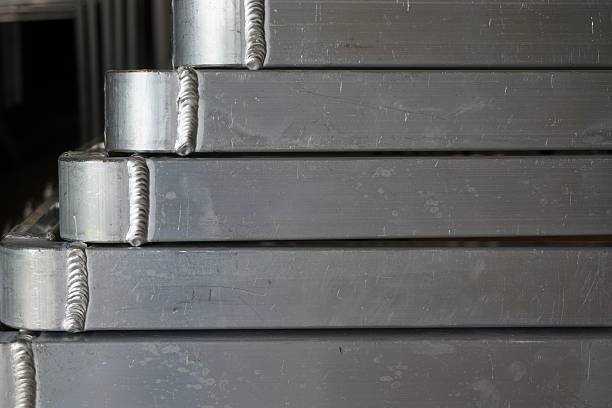
Common Issue 1. Porosity: The Hydrogen Enemy
Porosity is arguably the most common defect in aluminum welding. Unlike steel, which tolerates some contaminants, molten aluminum acts like a sponge for hydrogen. When the weld pool freezes, that trapped hydrogen tries to escape, leaving behind pinholes or hollow tubes inside the bead.
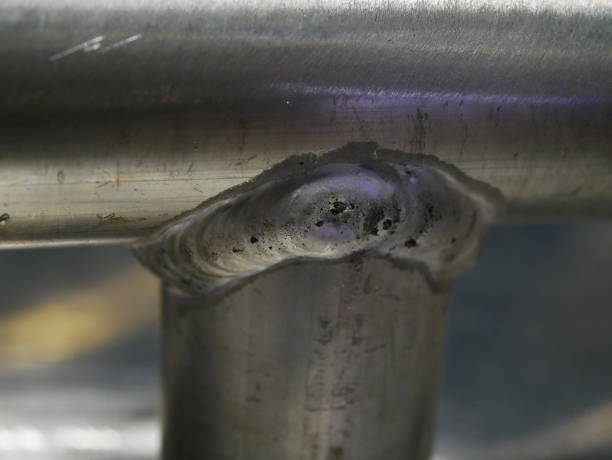
The Causes:
Hydrocarbons: Oil, grease, paint, or even the natural oils from your gloves on the filler wire.
Moisture: Aluminum oxide absorbs moisture from the air (hydration). Even a humid shop environment can introduce enough hydrogen to ruin a weld.
Gas Coverage: Drafty shops or clogged nozzles disrupting the shielding gas laminar flow.
The Solutions:
The "Solvent First" Rule: Always clean the base metal with a solvent (like acetone) before you wire brush it. If you brush first, you drive the oils and dirt into the surface of the aluminum.
Stainless Steel Brushes Only: Use a brush dedicated only to aluminum. Using a brush that has touched carbon steel will embed iron particles into the aluminum, causing rust and porosity later.
Check Your Gas: Use high-purity Argon or an Argon/Helium mix. Ensure your gas flow is optimal (typically 30–50 CFH depending on cup size) and check for leaks in the hose that could suck in air (venturi effect).
Dew Point Control: Store your filler rods and wire spools in a dry, heated cabinet to prevent condensation. If a spool has been left out in a cold shop overnight, it’s likely hydrated.
Common Issue 2: Hot Cracking and Stress Cracks
Aluminum has high thermal expansion (it expands twice as much as steel) and low shrinkage volume. This combination creates massive internal stress as the weld cools, often pulling the bead apart.
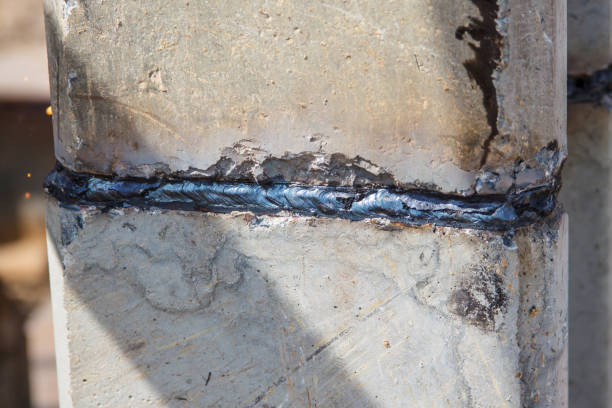
Crater Cracks:
These occur at the end of the weld where the arc is broken. The center of the puddle cools last and shrinks, tearing away from the surrounding metal.
Fix: Use a "crater fill" feature on your welder. If you don't have one, backstep (reverse direction) for an inch at the end of the weld to build up metal, or dwell for a second before letting go of the trigger to fill the crater.
Longitudinal (Centerline) Cracks
These run down the center of the bead and are often caused by incorrect travel speed or bead profile.
Fix: Avoid concave (caved-in) weld beads; they are weak under tension. Aim for a convex (domed) profile.
Fix: Increase your travel speed. Moving too slow dumps excessive heat into the plate, expanding the heat-affected zone (HAZ) and increasing stress.
Filler Metal Chemistry
Some alloys are chemically prone to cracking if matched with the wrong filler.
Common Issue 3: Burn-Through and Warping
Aluminum conducts heat about six times faster than steel. This means the heat spreads rapidly through the entire part rather than staying localized. However, once the material is saturated with heat, it suddenly becomes very fluid and can drop out (burn through) without warning.
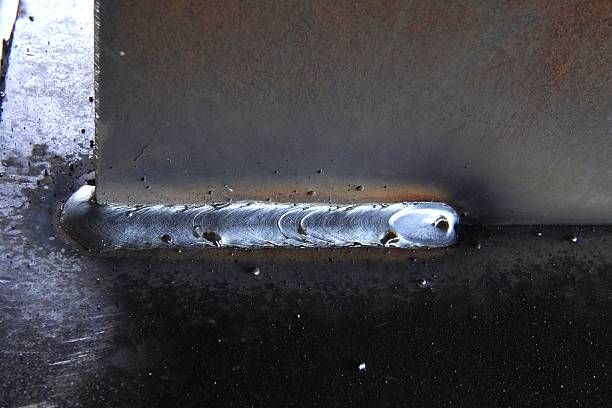
The Fixes:
Move Fast: You need a higher travel speed on aluminum to stay ahead of the heat buildup.
Pulsed MIG: Modern power sources, like the Megmeet Artsen or Dex series, feature advanced Pulse MIG capabilities. Pulsing switches between high peak current (to melt) and low background current (to cool). This drastically lowers overall heat input, preventing burn-through on thin sheets (down to 1mm) while maintaining penetration.
Heat Sinks: Clamp the aluminum to a copper or steel backing bar to help pull heat away from the weld zone.
Common Issue 4: Wire Feeding Issues (Birdnesting)
Pushing soft aluminum wire through a standard MIG gun is like trying to push a wet noodle through a straw. If the wire hits any resistance, it kinks at the drive rolls—a mess known as "birdnesting."
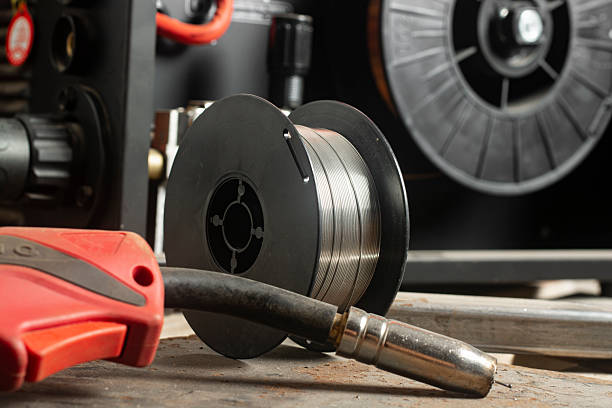
The Equipment Setup:
U-Groove Drive Rolls: Never use the V-knurled rolls meant for steel; they shave the aluminum wire, creating shavings that clog the liner. Use smooth U-groove rolls.
Teflon/Plastic Liners: Steel liners cause friction and contaminate the aluminum wire. Use a Teflon or graphite liner to reduce drag.
Brake Tension: Set the spool brake tension as loose as possible—just enough to keep the spool from unraveling when you stop welding.
Gun Choice:
Short Push Guns: Only work for very stiff, thick wire (like 5356) over short distances (10ft or less).
Spool Guns: Great for fixing feeding issues but can be heavy and bulky to maneuver.
Push-Pull Systems: The industrial gold standard. A motor in the feeder pushes while a motor in the gun pulls, keeping constant tension. This is essential for softer wires like 4043.
Common Issue 5: Incomplete Fusion (Cold Starts)
Because aluminum sucks heat away so fast, the start of the weld is often "cold." The base metal hasn't heated up enough to fuse with the filler, leading to a lump of metal sitting on top of the plate (lack of fusion).
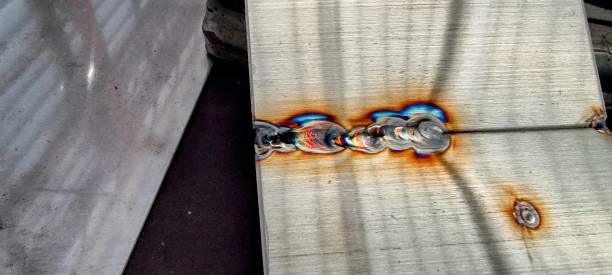
The Fixes:
Hot Start: Use a machine with a "Hot Start" function. This provides extra amperage for the first second of the arc to blast heat into the base metal and establish a puddle instantly.
Preheat: For thick sections, preheat the aluminum to roughly 200°F (93°C). Do not overheat, or you will degrade the material's mechanical properties (especially heat-treatable alloys like 6061).
Common Issue 6: Discoloration and Smut
If your finished weld is covered in black soot, you are seeing magnesium oxide and aluminum oxide vapor. While some of this is normal, excessive smut indicates a process issue.
The Fixes:
Push, Don't Drag: Always use a push angle (forehand technique) on aluminum. Pushing directs the shielding gas in front of the puddle, cleaning the oxide skin (cathodic cleaning action) before the arc hits it. Dragging traps the soot under the bead.
Shorten Stick-out: A long contact-to-work distance (CTWD) reduces gas coverage. Keep the nozzle close.
Filler Selection: 5356 filler (high magnesium) produces more soot than 4043 (high silicon). If cosmetics are critical and strength requirements permit, 4043 may be cleaner.
Summary Checklist for Success
If your finished weld is covered in black soot, you are seeing magnesium oxide and aluminum oxide vapor. While some of this is normal, excessive smut indicates a process issue.
| Issue | Quick Fix |
| Dirty Weld / Porosity | Clean with Acetone -> Stainless Brush. Check gas flow. |
| Birdnesting | Use U-Groove rolls, Teflon liner, loosen brake tension. |
| Burn-Through | Increase travel speed, use Pulse MIG, use heat sinks. |
| Cold Lap / Lack of Fusion | Use Hot Start settings, increase voltage/amperage. |
| Black Soot | Switch to "Push" angle, check gas coverage. |
Why Advanced Equipment Matters
While technique is 80% of the battle, the remaining 20% relies on your power source. Old transformer machines struggle with the nuances of aluminum. Modern digital inverters, such as Megmeet's Artsen Plus and Dex series, offer specific software waveforms for aluminum alloys. These machines automatically adjust the arc length and pulse frequency to break up the oxide layer without burning through the thin material, offering a level of control that manual adjustment simply cannot match.
These are the common issues and solutions in aluminum alloy welding. Aluminum alloy welding is a highly technical job that requires continuous learning and practice to improve welding skills and quality. If you have more questions or needs regarding aluminum alloy welding, feel free to consult our professional welding engineers, and we will be happy to assist you.
FAQs of Aluminum Welding Problems and Solutions
Q1: Why is my aluminum wire melting back to the contact tip (burnback)?
A: This usually happens because the wire feed speed is too low relative to the voltage, or the contact tip is the wrong size. Aluminum expands when hot, so always use a contact tip that is one size larger than your wire diameter (e.g., use a 0.045" tip for 0.035" wire) to prevent seizing.
Q2: Can I use 100% Argon for all aluminum welding?
A: For most thin-to-medium gauges, yes. However, for very thick aluminum (over ½ inch), adding Helium (25-75%) to your Argon mix increases the arc heat and penetration profile, helping avoid lack of fusion.
Q3: Why does my arc sound erratic and sputter?
A: This is often a feeding issue or a ground issue. Aluminum creates a hard oxide layer that is an electrical insulator. Ensure your work clamp (ground) is attached to clean, bare metal, not over an oxidized or painted surface.
Q4: Should I weave when welding aluminum?
A: generally, no. A straight "stringer" bead is best for aluminum. Weaving creates excessive heat input, which increases the risk of cracking and warping. If you need a wider bead, increase your wire size rather than weaving.
Q5: How do I know if my aluminum is too hot?
A: Unlike steel, which glows red, aluminum looks the same solid as it does liquid silver. If you see the puddle becoming uncontrollable or sinking, stop immediately. Use a temp stick or infrared thermometer to monitor inter-pass temperatures.
Related articles:
1. Aluminum and its Alloys Weldability, Advantages & Disadvantages
2. 3 Common Types of Welding Techniques Used for Aluminum
3. Guide for Aluminum and its Alloy Welding
4. Aluminum Alloy Oil Tank Welding - Using Dex PM3000 MIG Welder
5. Aluminum Alloy Boat Welding - Using Dex PM3000S Welding Machine