Stainless steel is the undisputed rockstar of the modern industrial world. It is sleek, remarkably strong, and famously resists corrosion like a bad habit. From high-end kitchen appliances and sterile medical instruments to massive chemical processing tanks and architectural marvels, stainless steel keeps our world shiny and functional.
But here is the catch: while stainless steel is brilliant in application, welding it can be a masterclass in frustration if you don’t know what you are doing. It is highly sensitive to heat, prone to warping, and requires strict atmospheric control to keep from losing its corrosion-resistant superpowers.
Whether you are a shop owner looking to optimize your production lines, a professional welder refining your technique, or a hobbyist tackling a premium project, this comprehensive stainless steel welding guide is designed for you. We will break down the chemistry, compare the top stainless steel welding methods, and ultimately reveal the best method to weld stainless steel for your specific needs.
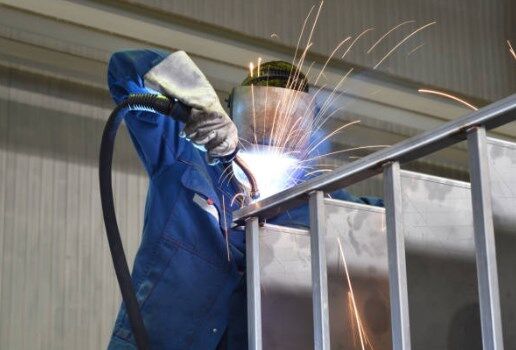
I. Understanding the Metal — Why Stainless Steel is Different
Before we strike an arc, we have to look at the metallurgy. You cannot treat stainless steel like standard mild carbon steel. If you do, your weld will fail, rust, or look like a burned marshmallow.
What makes steel "stainless" is the addition of chromium—usually a minimum of 10.5%. This chromium reacts with oxygen in the air to create a microscopic, self-healing layer of chromium oxide on the surface. This layer is what prevents rust.
However, stainless steel holds onto heat much longer than carbon steel, and it expands and contracts significantly when subjected to high temperatures. To navigate this, we must understand the four primary families of stainless steel:
1. Austenitic Stainless Steel (The 300 Series)
This is the most common type of stainless steel used in fabrication (think 304 and 316 grades). It contains high levels of nickel and chromium.
2. Ferritic Stainless Steel (The 400 Series)
Often used in automotive exhausts (like grade 409) and indoor environments.
3. Martensitic Stainless Steel
This is hard, wear-resistant steel used for knives, surgical instruments, and shafts (like grade 410).
4. Duplex Stainless Steel
A hybrid of austenitic and ferritic structures, offering massive strength and superior resistance to chloride stress corrosion (used heavily in oil and gas).
II. The Core Stainless Steel Welding Methods
When it comes to joining this fickle metal, several processes can get the job done. However, each method behaves differently under the heat of the arc. Let’s evaluate the high-traffic methods utilized in modern fabrication.
1. Gas Tungsten Arc Welding (GTAW / TIG)
When industry veterans discuss the aesthetics and purity of stainless steel, they are usually talking about TIG welding.
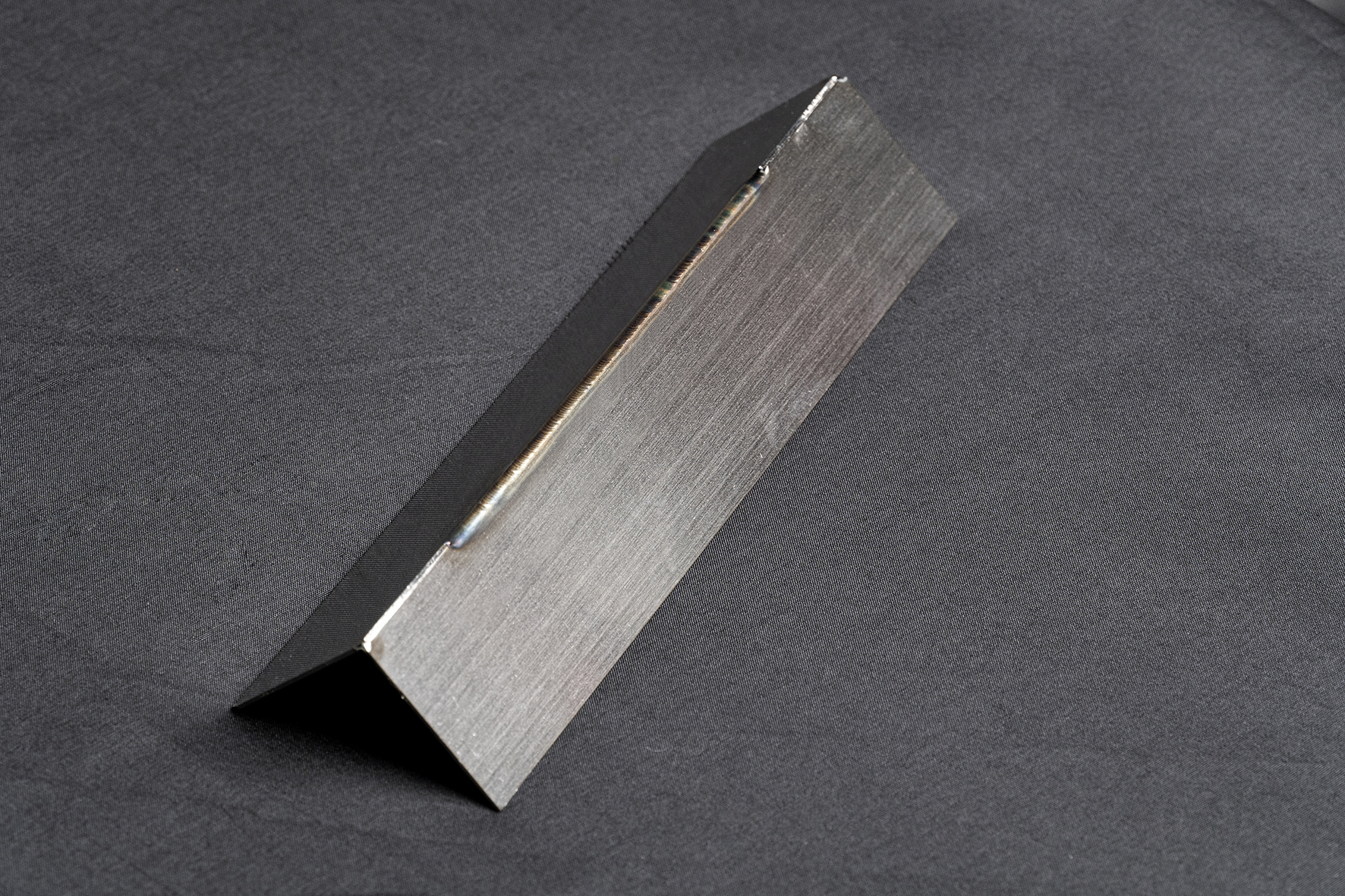
How it works: TIG uses a non-consumable tungsten electrode to create the arc. The welder manually feeds a filler rod into the puddle while controlling the heat with a foot pedal. An inert gas (usually 100% pure Argon) shields the weld.
Pros: Unmatched precision, zero spatter, beautiful aesthetics (the coveted "rainbow" colors), and superior control over heat input.
Cons: It is the slowest manual method and requires a high level of operator skill.
2. Gas Metal Arc Welding (GMAW / MIG)
If you need to weld thick gauge stainless steel quickly, MIG is the heavyweight contender.

How it works: A solid wire electrode is automatically fed through a welding gun. A specialized gas mixture (often a blend of Argon, Carbon Dioxide, and sometimes Helium) protects the puddle.
Pros: High travel speeds, excellent deposition rates, and a lower learning curve than TIG.
Cons: Creates spatter, requires post-weld cleanup, and is more prone to lack of fusion on thinner gauges if not dialed in perfectly.
3. Shielded Metal Arc Welding (SMAW / Stick)
While rarely used in high-end manufacturing anymore, Stick welding remains a vital tool for maintenance and field repairs.
How it works: A consumable electrode (stick) coated in flux creates the arc and the shielding environment.
Pros: Highly portable, does not require gas cylinders, and works well outdoors in windy conditions.
Cons: Leaves heavy slag that must be chipped off, produces lots of smoke, and is unsuitable for thin-gauge stainless steel.
4. Flux-Cored Arc Welding (FCAW)
FCAW is essentially the turbo-charged cousin of MIG welding for heavy industrial applications.
How it works: It uses a hollow wire filled with flux. "Dual-shield" versions also use an external shielding gas.
Pros: Incredibly high deposition rates and deep penetration on thick plates.
Cons: High heat input (dangerous for stainless metallurgy if not managed) and requires slag removal.
III. What is the Best Method to Weld Stainless Steel?
The golden question in fabrication is always: What is the best method to weld stainless steel? The candid answer is that there is no single "best" method—it entirely depends on your project's thickness, volume, and environment. To help you choose, we have broken down the "best" choice by application:
1. Best for Thin Gauge and High Aesthetics: TIG Welding
If you are welding sanitary tubing for the food and beverage industry, exhaust headers, or medical equipment, TIG is the undisputed best method. Stainless steel is highly sensitive to oxidation. TIG allows the operator to move slowly, feed wire precisely, and use a technique called "back-purging" (filling the inside of a pipe with argon) to ensure the weld is as clean on the inside as it is on the outside.
2. Best for High-Volume Production and Thick Plate: MIG Welding
If you are building massive structural tanks or assembling automotive parts at scale, TIG is too slow to be economically viable. MIG welding is the best method here. By utilizing a "pulsed spray transfer" mode on modern power sources, operators can achieve high speeds with minimal spatter, keeping the post-weld cleanup time to a minimum.
3. Best for Outdoor Field Repairs: Stick Welding
If a stainless steel pipeline or heavy agricultural machine breaks in the middle of a windy field, dragging out heavy MIG equipment or dealing with TIG gas shields blowing away is a nightmare. Stick welding is the best method for emergency, heavy-duty repair where purity takes a backseat to getting the machine back online.
IV. The Stainless Steel Welding Guide to Best Practices
Knowing the methods is only half the battle. To execute a flawless stainless steel weld, you must respect the chemistry and physical properties of the metal. Follow this step-by-step master checklist to ensure code-quality welds.
1. The Golden Rule: Absolute Cleanliness
Stainless steel is incredibly unforgiving of contamination. Any carbon steel dust, oil, or moisture introduced to the weld pool will ruin the corrosion resistance.
Dedicated Tools: Use stainless steel wire brushes and grinding wheels that have never touched carbon steel. If you cross-contaminate, you will introduce free iron into the weld, causing your expensive stainless steel to rust.
Chemical Wipe: Always wipe down the joint with acetone or a specialized non-chlorinated cleaner before striking the arc to remove skin oils and shop grease.
2. Master the Filler Metal
Choosing the wrong filler rod is one of the most common rookie mistakes highlighted in almost any professional stainless steel welding guide.
If you are welding 304 stainless, use 308L filler metal.
If you are welding 316 stainless (marine/chemical grade), use 316L filler metal.
If you are joining stainless steel to mild carbon steel, use 309L filler metal. The "L" stands for low carbon, which helps prevent cracking and maintains corrosion resistance.
3. Combatting "Sugaring" with Back-Purging
When you melt stainless steel, the molten puddle on the front is protected by your torch's shielding gas. But what about the back of the weld joint?
If oxygen reaches the hot metal on the backside, it will rapidly oxidize, creating a crusty, black, porous mess known in the industry as "sugaring."
The Solution: For pipe and tube welding, you must "back-purge." This involves sealing the ends of the pipe and flooding the interior with 100% Argon gas to push out all the oxygen before you start welding.
4. Thermal Management: Keeping it Cool
Because stainless steel retains heat and expands rapidly, applying too much heat causes two massive problems:
Warping: The part will twist and pull out of dimension.
Carbide Precipitation (Weld Decay): If stainless steel stays between 800°F and 1500°F for too long, the chromium and carbon in the steel bond together. This robs the metal of the free chromium it needs to resist rust. Suddenly, your stainless steel weld area starts rusting.
How to avoid it: Keep your travel speed high, use low amperage, and utilize chill blocks (copper or aluminum backing bars clamped to the part to suck heat away). Never let the "interpass temperature" (the heat of the metal between weld passes) exceed 300°F.
V. Troubleshooting and Post-Weld Treatment
Even if you follow the best practices, welding stainless steel often requires a bit of post-weld TLC to bring it back to its maximum corrosion-resistant state.
1. Decoding the Colors
When you finish a TIG weld on stainless, you might see a beautiful spectrum of colors. While internet pictures love these "rainbow" welds, they are actually indicating varying levels of surface oxidation:
Chrome / Gold / Straw: Minimal oxidation. Excellent weld.
Blue / Purple: Moderate heat. Generally acceptable in non-critical applications, but the oxide layer is getting thicker.
Dull Gray / Black: Massive overheating and severe oxidation. This weld has lost its corrosion resistance and is structurally compromised.
2. Passivation and Pickling
To restore full corrosion resistance after welding, you must clean the heat-affected zone.
Pickling Paste: A strong acid mixture (usually hydrofluoric and nitric acid) applied to the weld to eat away the oxidized layer and the depleted chromium zone.
Passivation: After the weld is clean, exposing it to air or a mild citric/nitric acid bath allows the protective chromium oxide layer to reform uniformly across the surface.
VI. Stainless Steel Welding Methods: At-A-Glance Comparison
| Feature | TIG (GTAW) | MIG (GMAW) | Stick (SMAW) |
| Material Thickness | Best for thin (< 1/8'') | Best for medium-to-thick | Best for heavy plate |
| Aesthetic Quality | Flawless, precise | Moderate (needs cleanup) | Rough, heavy slag |
| Travel Speed | Slow | Fast | Moderate |
| Skill Level Required | High | Moderate | Moderate |
| Outdoor Use | Poor (wind blows gas) | Poor | Excellent |
| Best Used For | Medical, exhaust, food | Structural, manufacturing | Field repairs, heavy iron |
Conclusion
Mastering stainless steel welding methods is a journey that separates average fabricators from elite craftsmen. It is a process that rewards patience, extreme cleanliness, and strict thermal discipline.
While there is no singular best method to weld stainless steel, equipping yourself with the knowledge of how the metal behaves chemically gives you the power to choose the perfect tool for the job. Keep your heat low, your travel speed high, your tools dedicated, and never compromise on gas coverage. The results—a weld that is as mechanically strong and rust-proof as the parent metal—are well worth the effort.
Related articles:
1. Welding of Various Types of Stainless Steel Pressure Vessels!
2. How can we weld stainless steel without causing it to burn?
3. Welding Stainless Steel Guide: Welding Processes & Welding Tips
4. Pulsed MIG Welding Aluminum and Stainless Steel
5. Why Does Stainless Steel Rust After Welding?